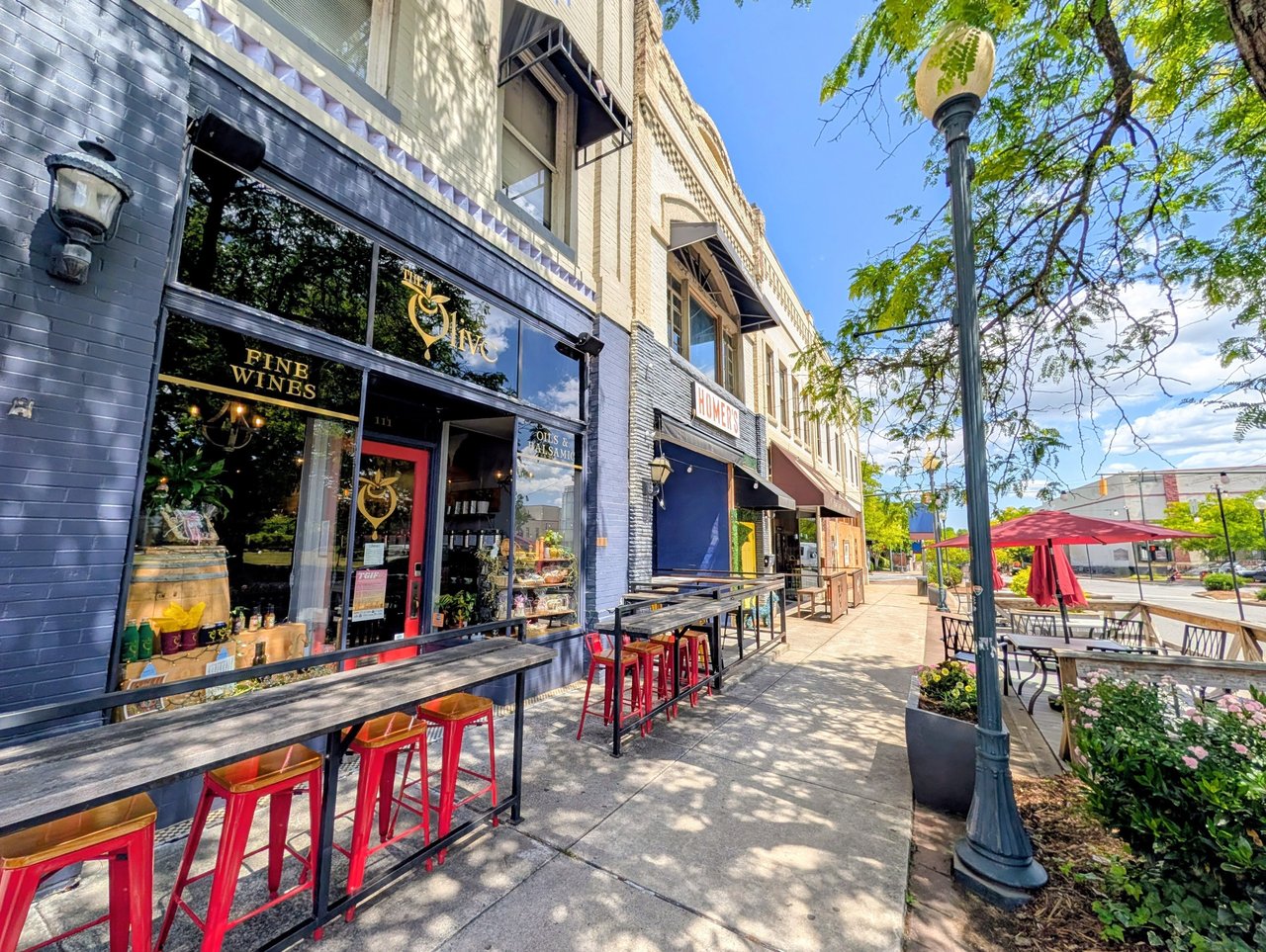
Dreaming of a walkable small-town life with Blue Ridge foothill views? Downtown Morganton gives you that easy pace, with coffee, lunch spots, and civic services a few blocks from home. If you want historic charm, everyday convenience, and quick access to lakes and trails, this guide will help you picture the day-to-day. You’ll learn what housing looks like, how errands work, where to find parks and greenways, and the trade-offs to weigh. Let’s dive in.
Downtown vibe and setting
Downtown Morganton sits in the foothills of the Blue Ridge Mountains, close to the Catawba River corridor. You’ll notice tree-lined main streets, historic brick buildings, and a civic center feel as the Burke County seat. It’s a compact, neighborhood-scale downtown where local businesses anchor daily life.
The pace is relaxed. Evenings tend to be low-key, with a handful of spots open later on weekends. Festivals, art walks, parades, and farmers markets add a seasonal rhythm. If you like browsing storefronts and running into familiar faces, this core suits you.
Homes near Main Street
Living near downtown puts you close to shops and services, with a mix of housing options that reflect Morganton’s history and steady growth.
What you’ll find
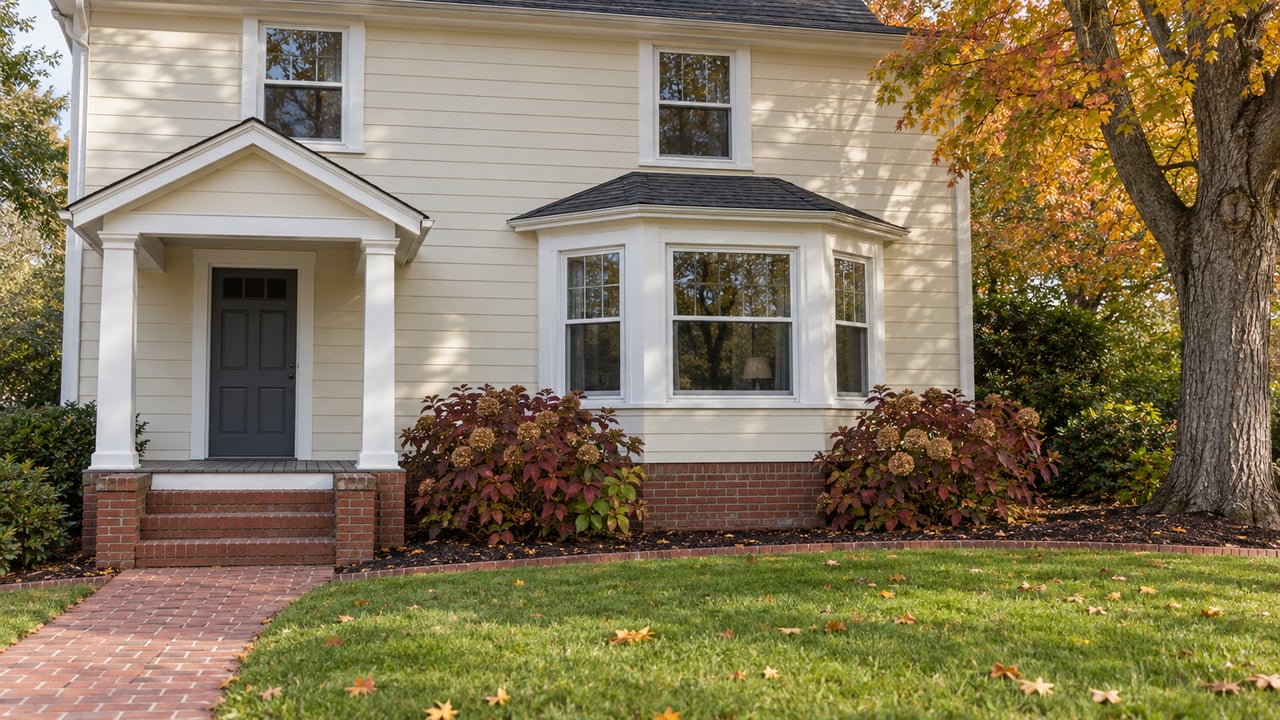
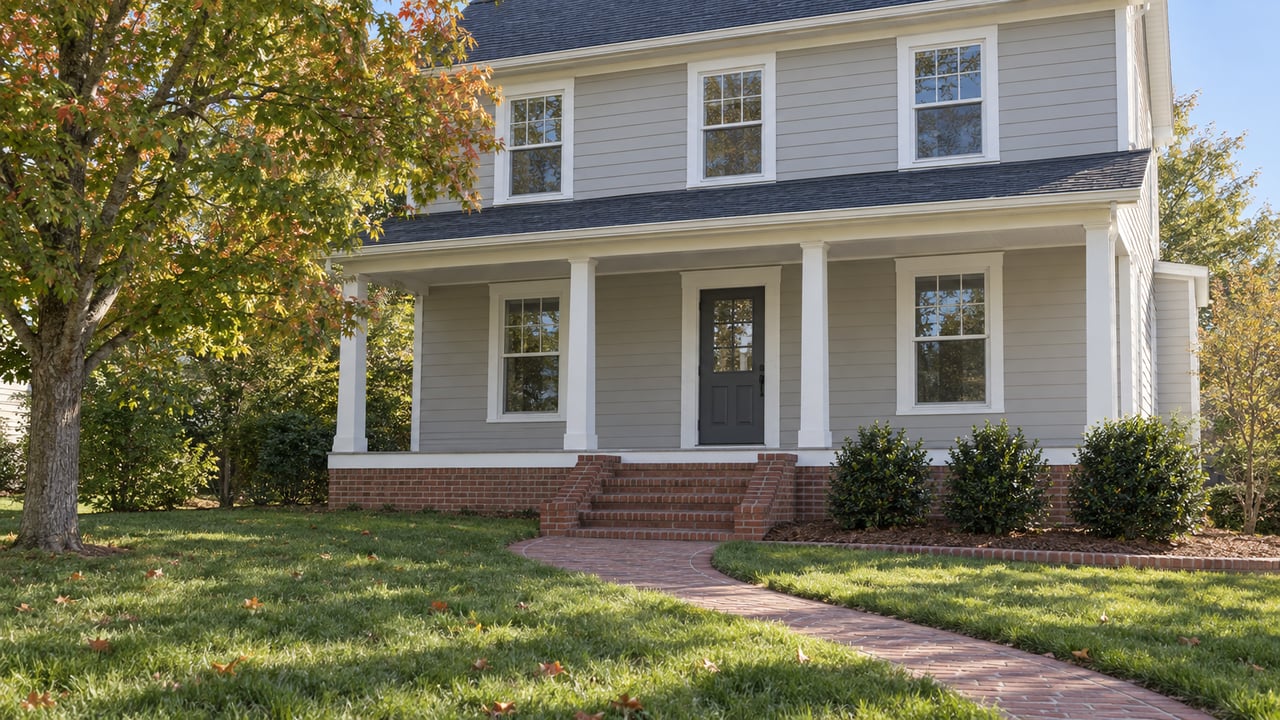
- Historic single-family homes. Late 19th and early 20th century properties, from Victorian to Craftsman and bungalow styles, can sit within walking distance of the core.
- Small rentals and infill. Look for converted storefronts, small apartment buildings, duplexes, or townhomes closer to Main Street.
- Nearby neighborhoods. Newer single-family subdivisions are more common outside the immediate core, with larger lots but a short drive into town.
Compared with bigger NC metros, downtown Morganton often offers a more attainable price point for square footage and historic character. Inventory is tighter in the core, though, and move-in-ready historic homes or well-priced converted spaces can go quickly.
Smart things to check
- Square footage and lot size. Downtown parcels are often smaller, so weigh yard space vs. walkable convenience.
- Systems and updates. Older properties may need electrical, plumbing, insulation, or foundation improvements.
- Historic status. A local designation or preservation easement can guide exterior changes, so confirm rules before you plan a renovation.
- Flood risk. Proximity to the river means you should verify floodplain status and insurance implications.
Walkability and errands
If you choose the right address, daily errands can be pleasantly walkable. Within the core, you’ll typically find coffee, a pharmacy, banks, the post office, specialty markets, and some professional services. Sidewalk coverage is good along the main grid, and most essentials are clustered.
For bigger grocery runs, home improvement supplies, or national retail, plan a short drive to corridors outside downtown. Medical services follow a similar pattern: smaller offices may be in or near the core, while larger clinics and hospitals sit along major roads.
A quick rule of thumb: the closer you are to Main Street and the courthouse area, the fewer daily miles you’ll put on your car. Still, expect a largely car-dependent lifestyle for work commutes and broader shopping.
Dining, coffee, and nightlife
Morganton’s dining scene leans local and independent. You’ll find cafes, bakeries, and a mix of Southern comfort food with a few contemporary options. The craft beverage culture is growing in the foothills, so a couple of breweries or taprooms often sit within or near the core.
Evenings are generally quiet, which many residents value. On weekends, a handful of spots turn up the lights with live music or later hours. If you crave a busy late-night scene, you may prefer to visit bigger metros nearby for a change of pace.
Parks, river, and outdoor access
One of downtown Morganton’s biggest perks is quick access to the outdoors. The Catawba River corridor sits close by, with green spaces and potential river views depending on your street. You may find walking paths, fishing spots, and places to launch a kayak or paddleboard where facilities allow.
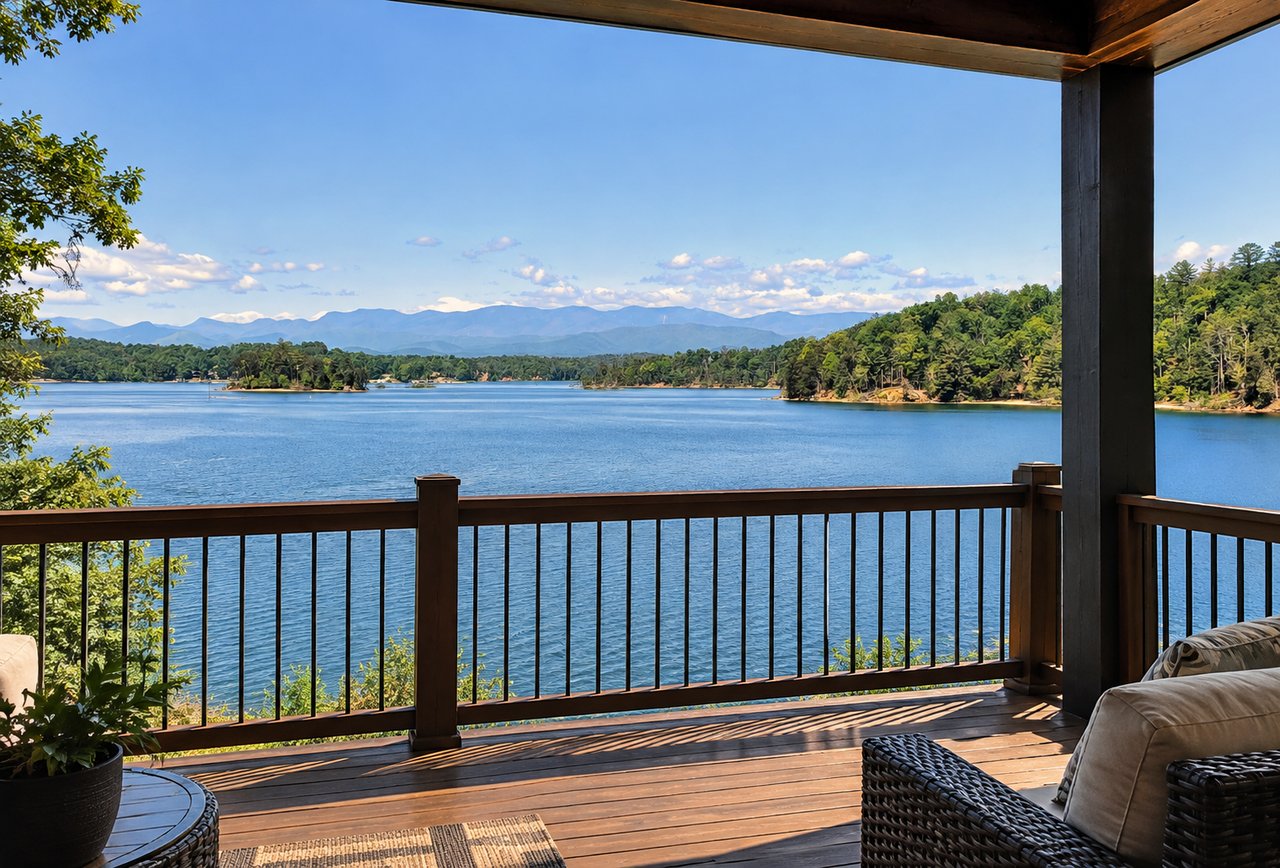
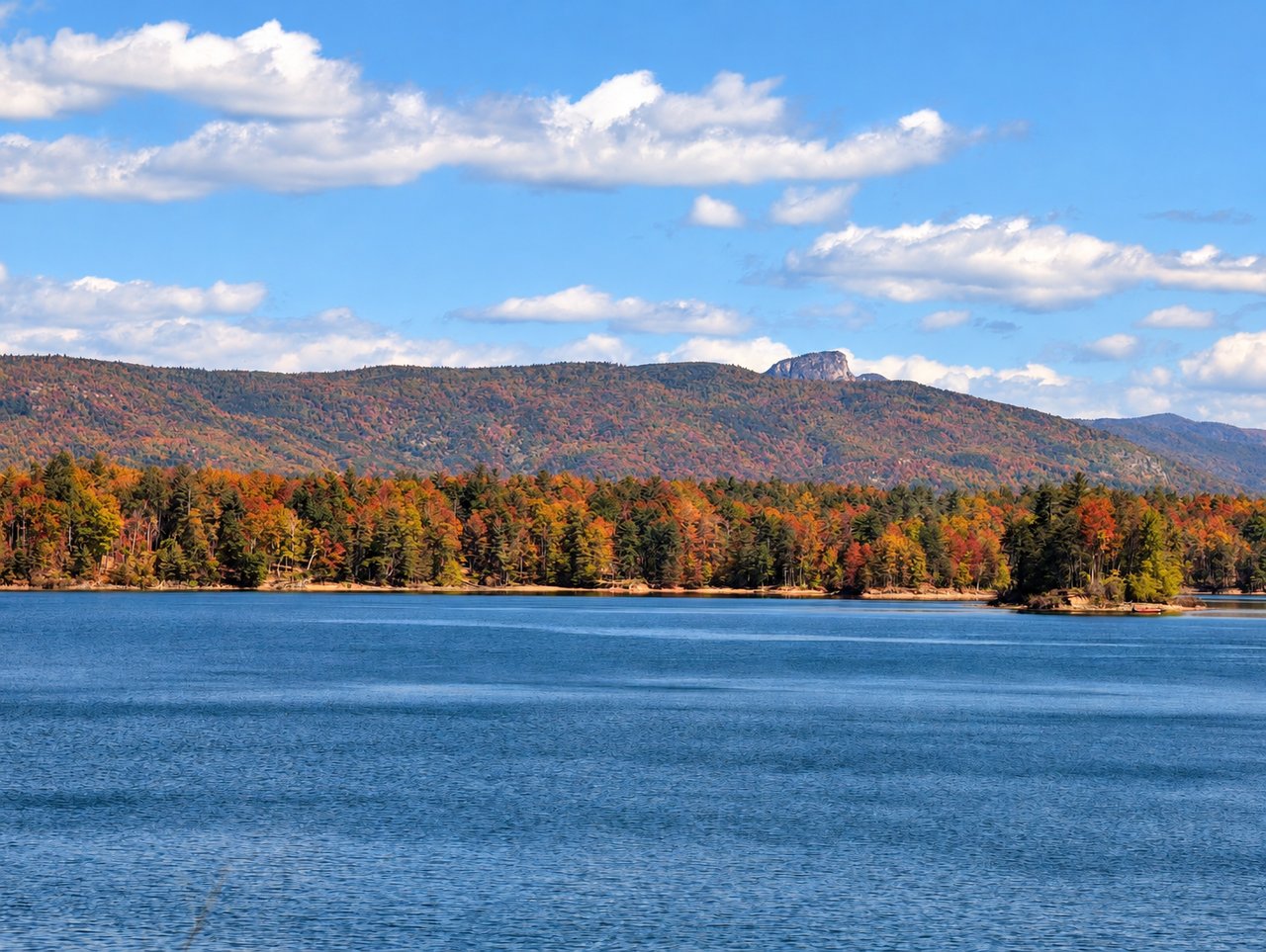
For weekend adventures, Lake James and Lake James State Park are an easy drive. Boating, swimming, and hiking are the star attractions, with mountain views that make quick trips feel like mini vacations. The broader Blue Ridge foothills add options for hiking and mountain biking on regional trail networks.
Spring through fall is prime outdoor season. Winters are milder than mountain summits, but occasional snow or ice can still slow travel. If you’re outdoors-focused, you’ll enjoy the balance of in-town convenience and quick trail or lake access.
Getting around
Morganton is primarily car-dependent for commuting and regional travel. Downtown’s grid helps you walk to daily errands, but most residents drive for work and longer trips. Public transit exists in limited forms through county or regional services, so always verify routes and schedules if you plan to use them.
You’re within driving distance of regional hubs like Hickory, Asheville, and Charlotte via state highways and nearby interstates. For flights, plan to drive to a regional or international airport. Passenger rail is not centered in Morganton.
Schools and local services
Downtown addresses fall under Burke County Public Schools. Assignments depend on your exact location, so check attendance zones before you buy. For early education, look for childcare centers and preschools downtown and in surrounding neighborhoods; availability often depends on demand and waitlists.
You’ll have easy access to government offices, the public library, and community organizations in or near the core. Healthcare ranges from small clinics to larger medical centers on arterial corridors. For specialized treatment, many residents drive to regional hospitals.
When comparing homes, also review property taxes, city utilities, and any district assessments or historic-district guidelines that could affect costs and renovations.
Who it fits
Downtown Morganton works best if you want a small-town feel, walkable access to everyday basics, and quick routes to lakes and trails. Many buyers appreciate the relative affordability compared with larger NC metros, especially for homes with character.
- Retirees enjoy a low-key core with easy errands and seasonal festivals.
- Remote workers find a quieter setting with coffee shops nearby.
- Families value community-scale amenities, parks, and short drives to nature.
Trade-offs to consider
- Urban scale. If you need frequent fine dining, big entertainment venues, or a wide retail roster, you’ll likely drive to larger cities.
- Housing type. You’ll find fewer brand-new, high-density buildings downtown compared with bigger markets.
- Commute patterns. Public transit is limited, and most commuters rely on cars.
- River proximity. Always check floodplain status and insurance before you commit.
Buyer checklist for downtown
Use this quick list to focus your search and avoid surprises:
- Location fit. Walk the blocks you’ll frequent for coffee, pharmacy, and the post office. Visit at different times of day.
- Property age and systems. Budget for potential updates to electrical, plumbing, insulation, and foundations.
- Historic rules. Confirm if the property sits in a district or has preservation guidelines that affect exterior work.
- Floodplain review. Verify status and discuss insurance impacts with your provider.
- Parking and access. Check street parking rules and alley access if the lot is small.
- Resale context. Ask about days on market for comparable downtown homes and demand for renovated vs. move-in ready options.
- Utilities and taxes. Review city utility setup, county tax rates, and any special assessments.
Seller notes for downtown homes
If you’re selling in or near the core, highlight what buyers value most:
- Walk-to conveniences and nearby parks or greenways.
- Recent system upgrades and sensitive renovations that honor historic character.
- Practical features for older homes, like improved insulation or updated plumbing.
- Clear documentation for any historic approvals and permits.
Well-priced historic homes and attractive converted spaces can move quickly when presented with strong photos, floor plans, and clear update histories.
How I can help
You deserve local guidance that balances lifestyle and value. I live and work this market, and I understand how to weigh historic character, renovation needs, floodplain checks, and daily convenience. If you want a friendly, straight-shooting plan for buying or selling near downtown, I’m here to help.
Ready to explore listings, schedule a neighborhood walk, or talk through your goals? Reach out to Mark Causby for a practical, concierge approach backed by local insight and professional systems.
FAQs
Is downtown Morganton walkable for groceries and errands?
- Many daily tasks like coffee, pharmacy, banking, and specialty shopping can be done on foot within the core, with larger grocery trips a short drive away.
What types of homes are common near downtown Morganton?
- You’ll see historic single-family homes, bungalows, and Craftsman styles, plus some converted storefronts, small apartments, duplexes, and townhomes.
How does commuting work from downtown Morganton?
- Most residents rely on cars for work and regional travel; public transit is limited compared with larger cities, so verify any routes you might use.
What outdoor recreation is close to downtown Morganton?
- The Catawba River corridor offers green space, and Lake James and Lake James State Park are a short drive for boating, swimming, and hiking.
Are there renovation or historic restrictions on downtown homes?
- If a property is in a historic district or covered by guidelines, exterior changes may require approvals, so confirm rules before planning work.