Thinking about listing your Black Mountain cabin and wondering which upgrades actually move the needle? You are not alone. Buyers in this mountain market love the lifestyle, but they also look closely at practical details like access, maintenance, and outdoor living. In this guide, you will learn the cabin features that tend to resell well in Black Mountain, why they matter, and what to prioritize before you go to market. Let’s dive in.
What Black Mountain buyers want
Black Mountain attracts a mix of primary-home buyers, retirees, second-home seekers, and some investors. Many are drawn by nearby outdoor recreation, the small-town feel, and access to Asheville. Because of that, features that support an outdoor-forward lifestyle and low-maintenance living usually rank high.
Across recent buyer surveys, the most consistent asks include private outdoor living space, flexible rooms for work or guests, and finishes that stand up to mountain weather. In mountain towns like Black Mountain, practical year-round vehicle access and easy-to-use outdoor areas can influence interest and final price more than some interior cosmetics.
Top cabin features that resell
Usable outdoor living
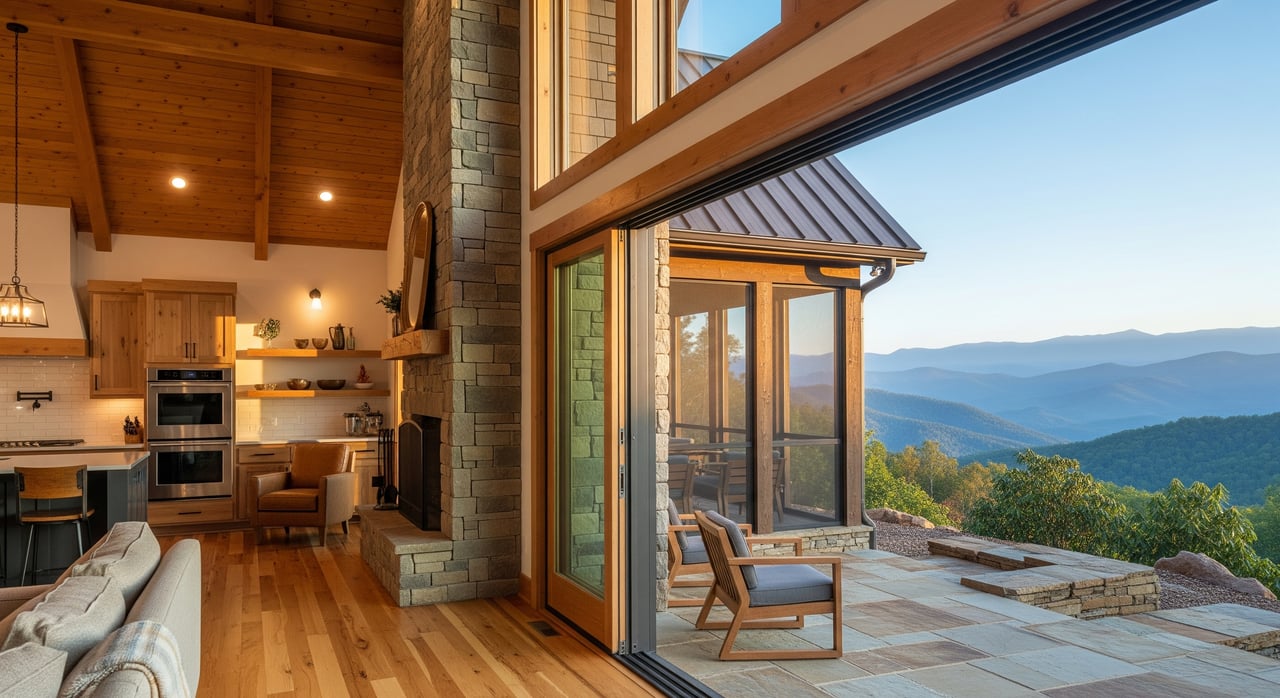
Outdoor spaces often sell the mountain lifestyle better than any single interior upgrade. Buyers respond to cabins that make it easy to eat, relax, and gather outside.
- Prioritize a covered or screened porch so you can enjoy the outdoors in rain and during bug season.
- Create defined zones for dining and lounging on decks or patios.
- Add a simple fire pit with safe hardscaping and seating.
- Include durable storage for gear like bikes, hiking packs, and fishing equipment.
Composite decking and stainless fasteners reduce maintenance in our wet, forested climate. A screened porch typically carries more everyday value than a large, exposed deck.
Trail and recreation access
Lifestyle buyers often shop by access. If your cabin sits near trailheads, the Blue Ridge Parkway, Pisgah National Forest, or downtown shops and restaurants, that proximity is a strong selling point.
Be factual about access. If you mention a trail or easement, have documentation that proves it is public or recorded. Simple, clear language like walk times or drive times to trailheads helps buyers visualize their routine.
Parking and year-round access
Steep, tight driveways can shrink your buyer pool. Many buyers want level, clearly defined parking and an easy way to turn around without backing onto a steep road.
- Add or improve a gravel or paved apron at the road.
- Create a gently sloped parking pad for multiple vehicles.
- Document snow and ice plans, whether it is town plowing, an HOA, or a private contractor.
Improving access is often a cost-effective step that boosts showing confidence, especially for older buyers or those not used to mountain driving.
Functional interior layout
A floor plan that lives easily will help your cabin stand out. Focus on usability over high-cost finishes.
- A primary bedroom and full bath on the main level appeals to a wide range of buyers.
- A true mudroom or entry with hooks, a bench, and boot storage fits the mountain lifestyle.
- A flexible loft or bonus room that can serve as a home office or guest space broadens appeal.
- An open kitchen and family area that connects to the porch or deck makes entertaining simple.
These elements increase day-to-day comfort and make your square footage feel larger.
Low-maintenance exterior and systems
Seasonal and second-home buyers prefer cabins that will not demand constant upkeep. Durable materials and efficient systems send a strong signal of care.
- Roofing: quality metal or architectural shingles.
- Siding: fiber-cement or engineered wood products.
- Decking: composite with proper flashing and drainage.
- Gutters: leaf protection to keep water away from the foundation.
- HVAC: heat pumps or ductless mini-splits for efficient, zoned comfort.
Good insulation, vapor control, and crawlspace moisture management reduce the risk of mold and future repair costs.
Utilities, septic, and water documentation
Uncertainty around wells and septic systems can slow deals and scare off cautious buyers. Make it easy for them to say yes.
Gather and share well yield and water quality tests, septic permits and pump records, and any repair invoices. Clear utility easements and access notes also help buyers and their lenders move quickly.
Views, privacy, and usable land
Long-range mountain views will always catch eyes. That said, many buyers value a modest, level outdoor area more than a marginal view. A small flat spot for games or pets and some privacy buffering from trees or topography can make your listing feel like a retreat.
If you do have a view, highlight where it is best and when it shines. A few well-placed photos from the porch at golden hour can do more than a big interior refresh.
STR potential and rules
If you expect investor interest, show how your cabin works well for guests. Easy access, good parking, outdoor amenities, and flexible sleeping arrangements matter.
Short-term rental regulations can change and vary by jurisdiction. Before you market a property as STR-friendly, confirm Town of Black Mountain and Buncombe County requirements, including any permits, registrations, taxes, and safety standards. Accurate information protects your value and your buyer’s confidence.
Local rules and logistics to address
Permits and compliance
Decks, additions, driveways, culverts, and septic upgrades often require permits. Unpermitted work can cause financing delays or derail a closing. Verify your records with the Town of Black Mountain and Buncombe County Environmental Health before listing.
If you complete upgrades, keep receipts and final inspections. Organized documentation makes due diligence smoother and helps defend your price.
Insurance and wildfire readiness
Insurance carriers look at access, vegetation, and wildfire risk. Basic mitigation steps can improve your position with both buyers and insurers.
Maintain defensible space by trimming brush and limbs near structures, clean gutters, and ensure visible address signage. If you have done mitigation work, keep a simple log with dates and vendors.
Seasonal realities and drainage
Mountain weather can bring snow, ice, and heavy rain. Buyers want to know how the property performs.
Document who plows the driveway, where ice tends to form, and any drainage or erosion improvements you have made. Make sure gutters function, downspouts extend away from the foundation, and grading moves water correctly.
Smart upgrades with strong ROI
Quick, low-cost wins
- Declutter and stage outdoor areas with durable furniture and lighting.
- Define spaces on porches and decks for dining and relaxing.
- Add hooks, benches, and a boot tray in the entry or mudroom.
- Improve wayfinding to parking with clear signage if needed.
- Assemble a simple property binder with well, septic, HVAC, roof, and permit records.
These steps make your cabin feel move-in ready and reduce buyer uncertainty.
Mid-range improvements that resonate
- Upgrade to composite decking if your deck surface is tired.
- Add or enhance a covered or screened porch for all-weather use.
- Install a ductless mini-split in main living areas or the primary suite for comfort and efficiency.
- Create a safe turnout and level parking pad with gravel or paving.
- Map and share walking or driving times to nearby trailheads and downtown amenities.
These investments align with what mountain buyers value most and can help your listing compete with newer builds.
Projects to avoid without buyer input
- Highly customized, expensive interior finishes that may not match broad tastes.
- Large additions started without permits. Missing permits complicate appraisals and loans.
Focus on function, durability, and documentation rather than niche luxury.
How to position your listing
You want buyers to picture their first weekend here. The easiest way to do that is to highlight livability and confidence.
- Lead your marketing with your best outdoor living spaces and any view moments.
- List specific access benefits. Include times to trailheads, parks, the Blue Ridge Parkway, and downtown shops and restaurants.
- Call out year-round practicality. Note level parking, turnaround space, and who handles winter clearing.
- Feature maintenance wins. Mention recent roof or HVAC updates, low-maintenance siding and decking, and any moisture control work.
- Share your documentation. Offer well and septic records, service receipts, and permits up front.
This approach appeals to both lifestyle buyers and detail-oriented shoppers who do not want surprises after contract.
Bringing it all together
In Black Mountain, the cabin features that resell well tell a consistent story. Make outdoor living comfortable, keep access simple in every season, reduce maintenance, and document the essentials. The result is a listing that photographs beautifully, lives easily, and gives buyers confidence from the first showing to closing.
If you are weighing upgrades or timing a sale, let’s talk through your goals and the specific buyer profiles likely to respond to your property. Reach out to Mark Causby for a local, concierge-style plan to position your Black Mountain cabin for a successful sale.
FAQs
What features add the most resale value to a Black Mountain cabin?
- Covered or screened outdoor living and safe, convenient vehicle access usually broaden the buyer pool the most, which can support stronger offers.
How important are mountain views versus a level yard for resale?
- Clear, private views can command a premium, but a small, usable flat area for pets or gathering often matters more to a wider range of buyers.
What interior layout choices help a cabin sell faster in Black Mountain?
- A main-level bedroom and full bath, a functional mudroom, an open kitchen-to-porch flow, and a flexible loft or bonus room tend to attract more buyers.
How should I document well and septic systems before listing a cabin?
- Compile recent water tests, septic permits and pumping records, service invoices, and any repair details so buyers and lenders can review them early.
Should I advertise my Black Mountain cabin as short-term-rental ready?
- Only if you confirm current Town and County STR rules, registrations, taxes, and safety requirements and can provide documentation to buyers.
Which exterior materials reduce maintenance for mountain cabins?
- Fiber-cement or engineered wood siding, composite decking, metal or architectural shingle roofing, leaf-protected gutters, and properly managed crawlspace moisture.