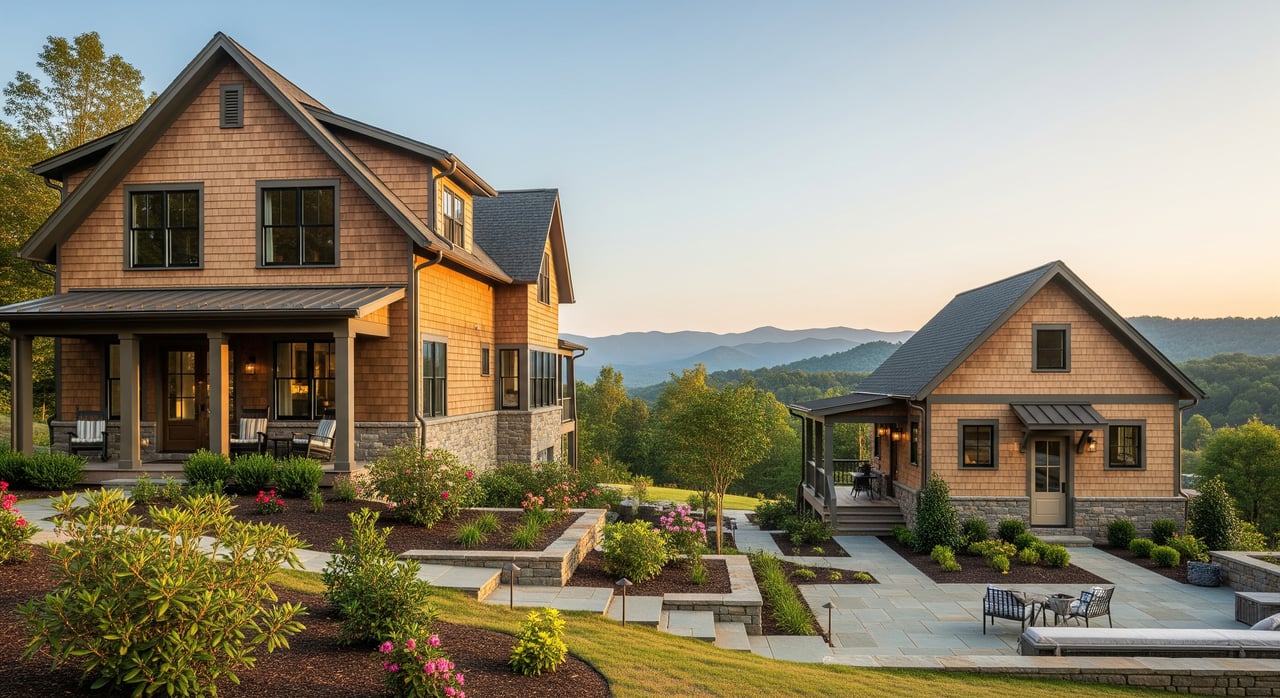
What if your home could help cover the mortgage each month? In Asheville and across Buncombe County, house hacking with a duplex or an accessory dwelling unit (ADU) can open that door. If you want to offset payments, start investing, or create long‑term flexibility, you have options. In this guide, you’ll learn the local rules, common property types, financing, a simple cash‑flow model, and what to expect from permitting to move‑in. Let’s dive in.
House hacking basics
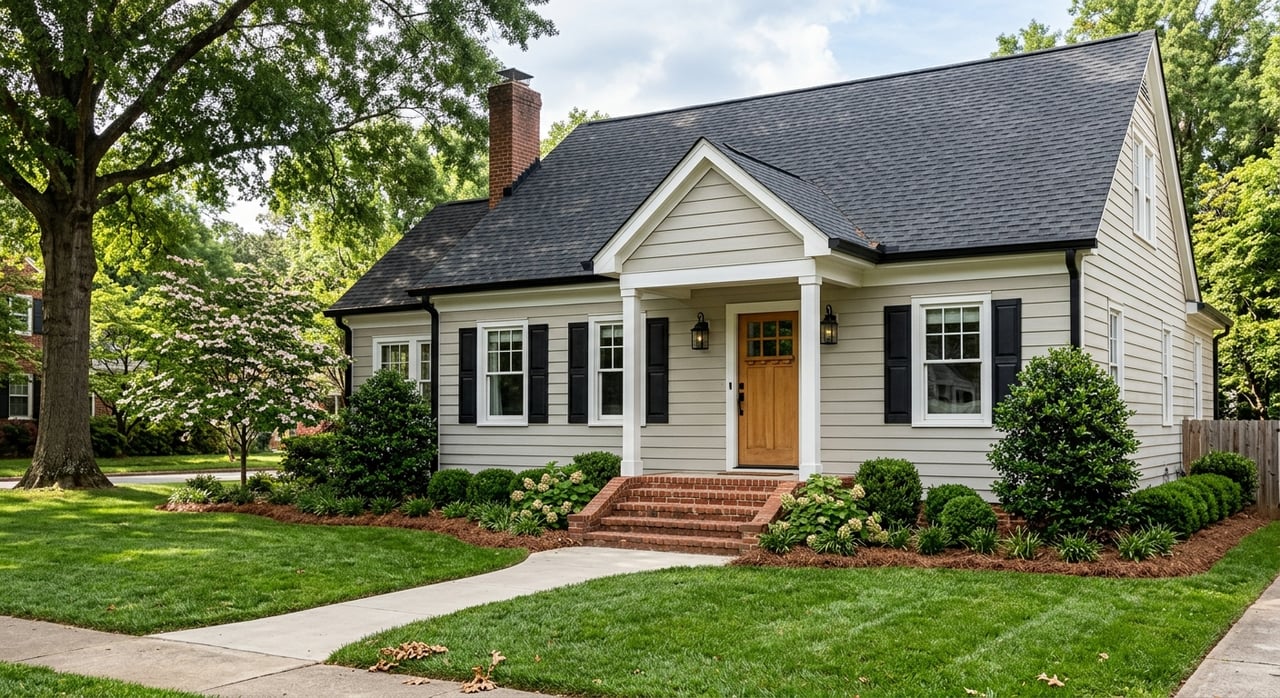
House hacking means you live in one unit and rent the other. In Asheville, the most common paths are buying a duplex, converting a single‑family home into two legal units, or adding an ADU like a basement apartment or a detached cottage. Some owners explore short‑term rentals, but those are regulated and not allowed everywhere.
Your first step is deciding how you want to rent: long‑term tenants, mid‑term, or short‑term. Demand and rules vary by neighborhood and by whether you are inside city limits or in unincorporated Buncombe County. A clear plan helps you choose the right property and financing.
City vs. County: rules at a glance
Jurisdiction matters. Properties inside the City of Asheville follow the City’s Land Development Code and permitting. Properties outside city limits follow Buncombe County zoning and permitting. The rules can differ for duplexes, ADUs, parking, lot coverage, and short‑term rentals.
Key checks for any property:
- Verify jurisdiction before you assume rules apply. Use the Buncombe County GIS or the City of Asheville parcel lookup.
- Confirm zoning. Ask if duplexes are allowed by right or by permit, and if ADUs are allowed on the lot. Check size limits, setbacks, height, parking, and any owner‑occupancy rules.
- Review neighborhood overlays or historic districts. Montford, Grove Park, Kenilworth, and Biltmore Village can require design review for exterior changes.
- Understand short‑term rental rules. Asheville and the County regulate STRs and may require permits, registration, or limit them in certain zones.
- Check utilities early. City lots often have water and sewer; many County lots use wells and septic. Adding a unit can trigger septic upgrades or connection fees.
Your housing options
Buy a duplex
Buying an existing legal duplex is the simplest route. You can live in one side and rent the other right away. Financing is different than a single‑family home, so speak with lenders about owner‑occupied 2‑unit loans.
Convert to a duplex
Turning a single‑family home into a duplex takes more planning. You may need permits, proper unit separation, egress, fire rating, and possibly separate mechanical systems or meters. Zoning can require a conditional permit. Ask the planning department what is required on your parcel.
Build an ADU
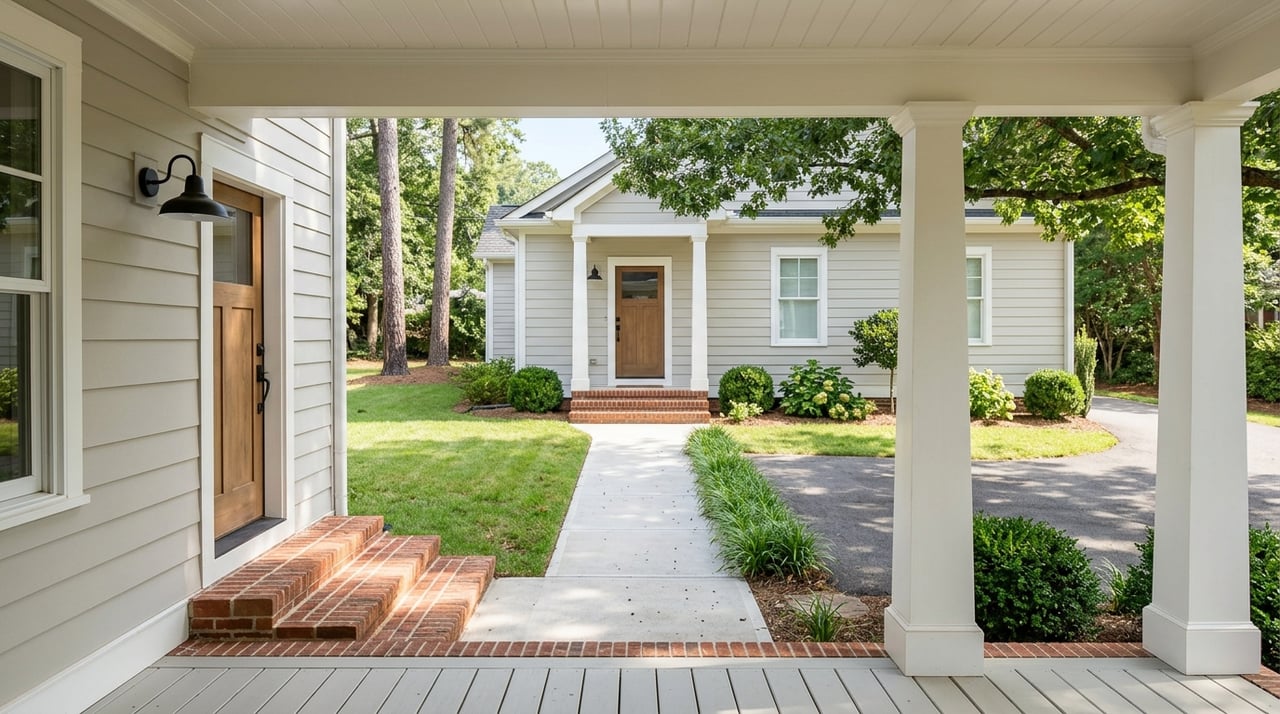
An ADU is a second dwelling unit on the same lot as your primary home. It can be detached (a small cottage or garage apartment), attached (a side addition), or internal (a basement or in‑home suite). You will verify maximum size, height and setback limits, parking standards, and any owner‑occupancy rule for your zone.
Convert a garage
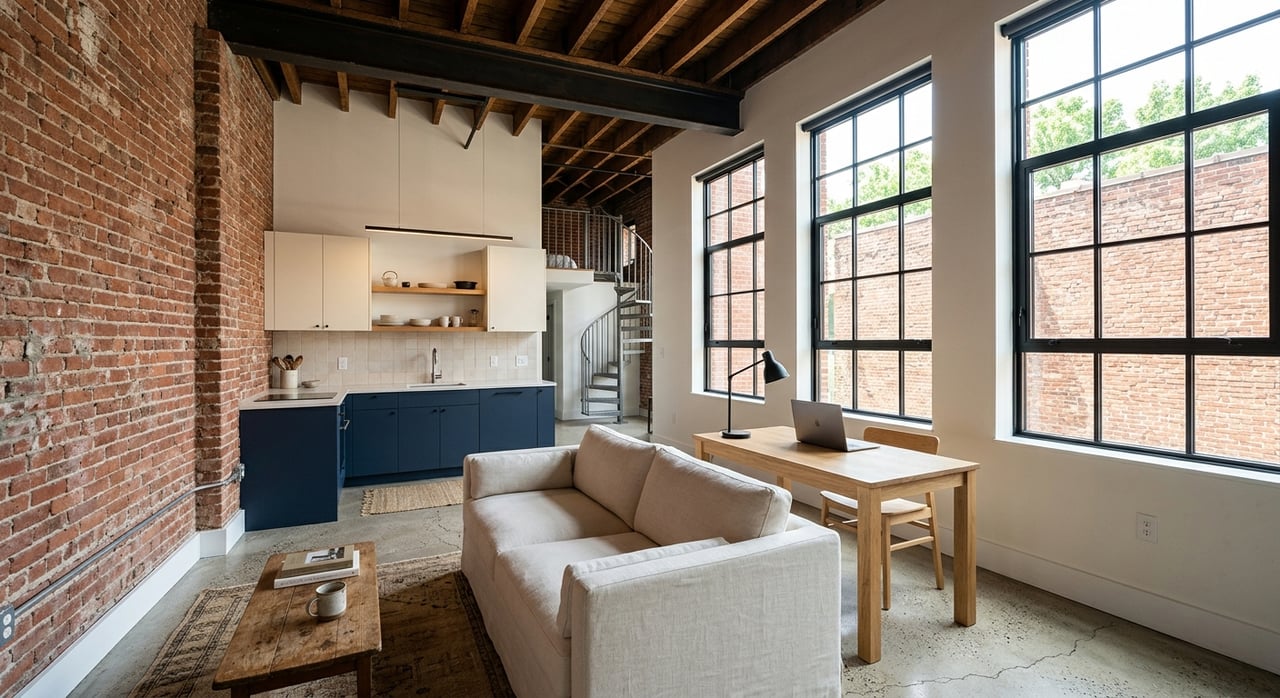
Garage apartments are usually treated as ADUs. Converting a garage often requires structural upgrades, insulation, egress, plumbing, and sometimes a new foundation element. Budget time and cost for code upgrades.
Keep it legal
Unpermitted units are risky. Renting one can lead to code enforcement, fines, and loan or insurance issues. Always confirm permit status and work with the permitting office to legalize where feasible.
Utilities and metering
Separate meters for electric, gas, and water can make tenant billing simpler and may be required by utility providers or your lender. Plan for utility upgrades in your budget.
Financing routes in Asheville
Owner‑occupant financing often makes house hacking possible. Common options include:
- FHA loans: Eligible buyers can finance 2–4 unit properties when occupying one unit. FHA allows lower down payment for qualified buyers and has specific appraisal and habitability rules.
- Conventional loans: Fannie Mae and Freddie Mac finance 2‑unit properties with stricter down payment and reserve requirements than single‑family loans. Programs like HomeReady may help some buyers.
- VA loans: Eligible veterans can buy 2–4 unit properties with owner‑occupancy, often with no down payment, subject to VA and lender rules.
- USDA loans: These are limited to eligible rural areas. Many city addresses will not qualify, though some outlying Buncombe County areas might.
- Renovation financing: FHA 203(k) and conventional renovation products can fund qualifying ADU builds or duplex conversions.
- Home equity: A HELOC or cash‑out refinance can fund construction or conversion costs for current owners.
Lender checklist
- Confirm whether the unit count and zoning are acceptable.
- Ask what documentation is required to verify a legal unit (permits, certificate of occupancy).
- Review down payment, reserves, and expected rent treatment in underwriting.
- Clarify timelines for appraisal and any renovation draws.
Insurance and taxes
- Insurance: You will need a landlord or dwelling policy when you rent part of your property. Premiums can be higher than a standard homeowner policy. If you plan any short‑term rentals, confirm coverage since many policies exclude STRs. Consider an umbrella policy for added liability protection.
- Taxes: Rental income is taxable, but you can deduct allowable expenses such as mortgage interest, taxes, insurance, repairs, and depreciation. If you live in one unit and rent the other, some expenses are prorated. Short‑term rentals can also trigger local occupancy and sales taxes. Consult a CPA for your situation.
Cash‑flow checklist
A clear model helps you decide if a property works.
Research the market
- Estimate realistic rents for the specific unit size and location using local listings and property managers.
- Identify your likely tenant profile. For example, long‑term demand can be strong near UNC Asheville and Mission Hospital. Tourism proximity can influence STR demand where allowed.
Build your numbers
- Income: realistic monthly rent minus vacancy, plus any other income such as parking.
- Expenses: mortgage payment, property taxes, insurance, HOA dues, utilities you pay, repairs and maintenance, management fees, vacancy allowance, capital reserves, and one‑time permitting or upgrade costs.
Run the key calculations
- Net Operating Income (NOI) = gross rent minus operating expenses (no mortgage).
- Debt service coverage = NOI divided by annual debt service.
- Cash‑on‑cash return = annual cash flow after debt service divided by initial cash invested.
- Break‑even occupancy = expenses divided by gross potential rent.
Check the fit beyond numbers
- Lifestyle: Are you comfortable living next to tenants and handling repairs or calls?
- Privacy and layout: Separate entrances, sound separation, and parking matter.
- Neighborhood compatibility: Review HOA rules and any overlays that affect rentals or ADUs.
Red flags
- Unpermitted units or work without inspections.
- Septic capacity that cannot support another bedroom or unit.
- Historic district requirements that conflict with your plan.
- Large deferred maintenance that erodes returns or blocks financing.
Conversion steps, costs, and timelines
A typical path to add an ADU or create a duplex:
- Feasibility
- Confirm zoning allows your plan.
- Check utilities and septic capacity, plus any connection fees.
- Estimate costs and expected rent to confirm a viable return.
- Design and budget
- Hire an architect or contractor who knows local codes. Prepare plans for permitting.
- Permitting
- Submit building, electrical, mechanical, and plumbing permits. File septic modifications if needed. Historic districts may require design review.
- Permit review time can range from a few weeks for simple items to 6–12 weeks or more for complex additions.
- Construction
- Interior ADU conversions often take 2–4 months. Detached ADUs or major duplex conversions can run 4–9 months or longer, depending on scope and site work.
- Inspection and approval
- Complete required inspections to obtain a certificate of occupancy or final approval.
- Tenanting and compliance
- Secure leases, register for any required local licenses, and set up insurance.
Cost ranges to use for planning (local bids will vary):
- Interior ADU or garage conversion: low tens of thousands to about $60,000+, depending on mechanicals and code upgrades.
- Detached ADU (about 300–800 sq ft): roughly $80,000 to $250,000+, driven by size, site work, and finishes.
- Full duplex conversion with structural work: often $100,000–$300,000+.
- Permits and impact fees: vary by jurisdiction and utility needs.
Common obstacles that add time or cost include septic upgrades, bringing older homes up to fire and egress codes, new meters and HVAC, required parking, and historic review.
Neighborhood notes: where strategies fit
- Downtown, River Arts District, and South Slope: Close to amenities with strong rental demand. Short‑term rentals are regulated, so verify current rules before planning STR use.
- West Asheville: Consistent long‑term rental demand and a mix of housing types. Duplexes and ADUs can fit well where allowed by zoning.
- North Asheville and Montford: Historic character is protected in some areas. ADUs may be possible but expect design review where overlays apply. Long‑term rentals can align with neighborhood stability.
- Near UNC Asheville and Mission Hospital: Long‑term demand from students and medical staff can support duplex or ADU rentals.
- Outlying Buncombe County: Larger lots can suit detached ADUs and separate septic systems. Some areas may meet USDA loan eligibility.
Local resources and next steps
- Confirm jurisdiction: Buncombe County GIS or City of Asheville parcel search.
- Zoning and use questions: City of Asheville Planning & Development or Buncombe County Planning & Development for permitted uses, ADU standards, and overlays.
- Utilities and septic: Buncombe County Environmental Health for septic records and permitting; City water and sewer for meter policies and connection fees.
- Financing: Speak with local lenders about FHA, VA, conventional 2‑unit options, and renovation products like FHA 203(k).
- Market data: Check local rental listings and consult property managers for realistic rent comps.
- Professional help: Consider architects, contractors, real estate attorneys, and a CPA familiar with rental tax rules.
If you want a second set of eyes on a specific property, zoning questions, or a quick cash‑flow check, reach out. You can start a plan that fits your budget and lifestyle, then move with confidence.
Ready to explore duplexes, ADUs, or house‑hacking opportunities around Asheville? Connect with Mark Causby for a friendly, practical game plan and property options that match your goals.
FAQs
Can you use an FHA loan to buy a duplex in Asheville?
- Yes. FHA allows qualified buyers to purchase 2–4 unit properties if you live in one unit. Confirm current underwriting with a local FHA‑approved lender.
Are ADUs allowed in Asheville or Buncombe County?
- Often, but it depends on your parcel’s zoning and any overlays. Verify size limits, setbacks, parking, and owner‑occupancy rules with the appropriate planning department.
Are short‑term rentals allowed for ADUs or duplex units?
- Possibly. Short‑term rentals are regulated and may be limited by zone or require permits and tax registration. Always check current local ordinances before you plan on STR income.
Do you need separate utility meters for each unit?
- Not always, but separate meters can simplify billing and may be required by a utility provider or lender. Factor meter upgrades into your project budget.
What does a typical ADU or duplex conversion cost and how long does it take?
- Interior conversions can range from the low tens of thousands to about $60,000+ and take 2–4 months. Detached ADUs often range from about $80,000 to $250,000+ and can take 4–9 months or more.
What should you include in a house‑hack cash‑flow model?
- Include realistic rent minus vacancy, plus all operating expenses such as taxes, insurance, utilities, repairs, management, reserves, and one‑time permit or upgrade costs. Then calculate NOI, debt service coverage, and cash‑on‑cash return.