Two mountain towns, 16 miles apart, can feel worlds different. If you are torn between Asheville’s energy and Black Mountain’s small-town charm, you are not alone. In this guide, you will compare daily life, housing, walkability, arts, outdoor access, and commute times so you can pick the place that fits your lifestyle and budget. Let’s dive in.
Quick facts at a glance
- Distance and drive time: Asheville to Black Mountain is about 16 miles and typically 18–25 minutes without heavy traffic (source: Trippy distance estimate).
- Population (city/town, July 1, 2024 estimates): Asheville ~94,992; Black Mountain ~8,572 (U.S. Census). Asheville is roughly an order of magnitude larger. (Asheville estimate: U.S. Census QuickFacts)
- Walkability: Asheville’s citywide Walk Score averages around 37, but downtown pockets are much higher. Black Mountain’s downtown core is compact and generally walkable with a Walk Score around 73 (Walk Score for Black Mountain’s downtown area).
- Recent median sale prices: Asheville around $478K (Redfin, Feb 2026 snapshot); Black Mountain around $541K (Redfin, Dec 2025 snapshot). Provider and month vary, so use numbers as a snapshot, not a guarantee.
Vibe and daily life
Asheville’s energy in neighborhoods
You get an eclectic mid-sized city with distinct neighborhood personalities. Downtown, South Slope, the River Arts District, Biltmore Village, Montford and West Asheville pack in restaurants, breweries, galleries, and a steady events calendar. Outside these cores, daily life feels more suburban and car-oriented. The visitor economy adds buzz most weekends, which you will feel in popular districts and during events highlighted in the local Asheville Visitors Guide.
Black Mountain’s porch-town feel
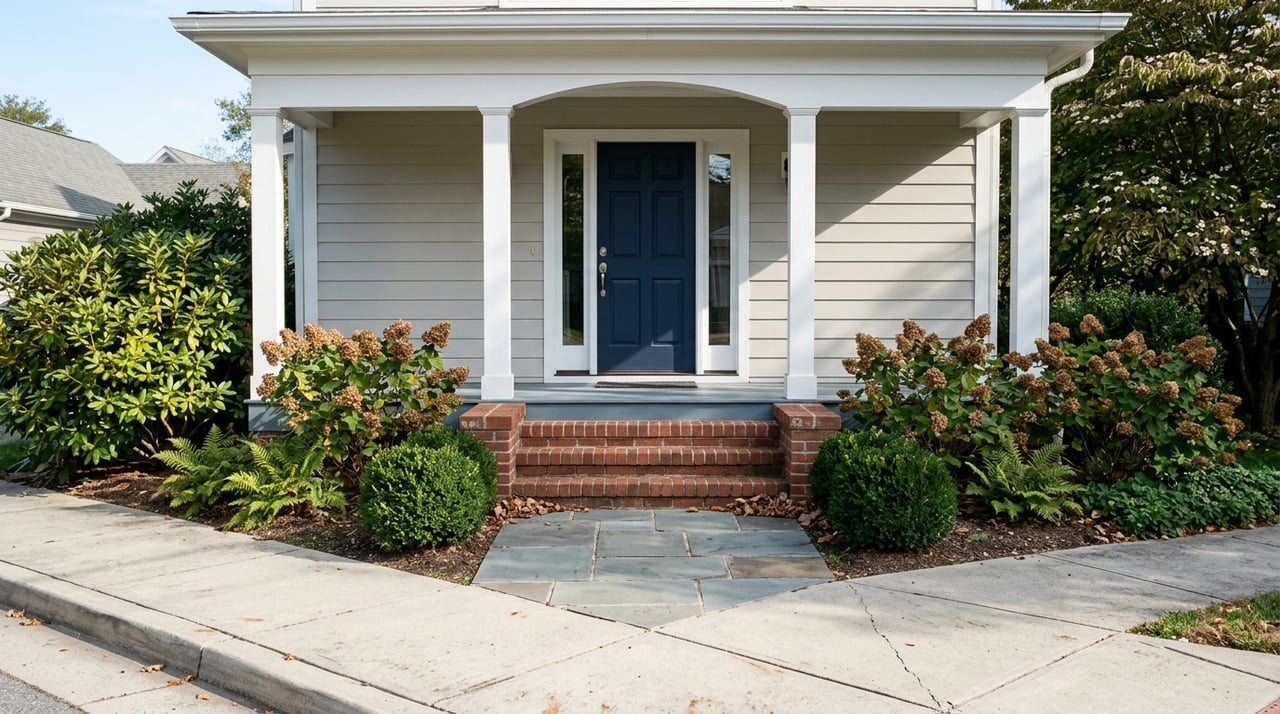
Black Mountain offers a smaller, slower rhythm with brick storefronts, locally owned shops, and a friendly, front-porch vibe. Downtown covers most day-to-day needs within a short walk, while specialty errands may send you into Asheville. Even with day-tripper traffic on weekends, weekday life stays quieter than downtown Asheville, which many buyers appreciate for simple routines.
Housing styles and price context
Asheville home types and character
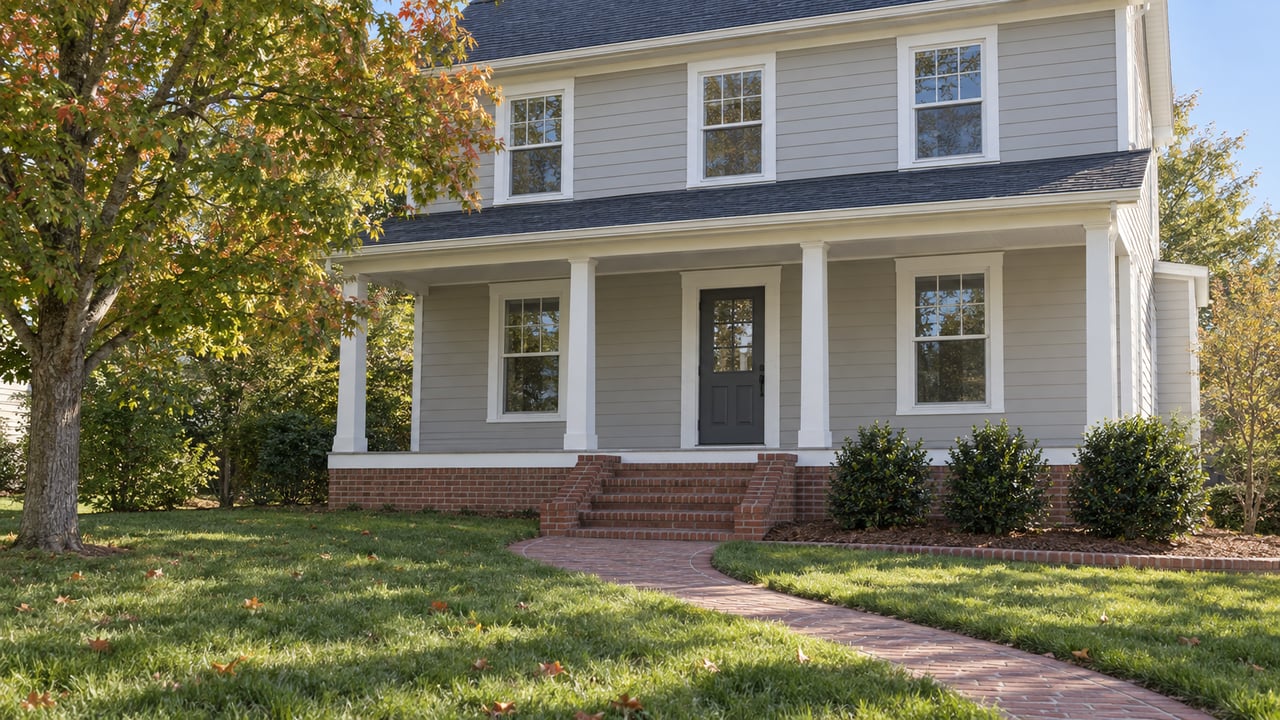
Housing ranges from historic Victorian and Craftsman homes in Montford and North Asheville to downtown condos and townhomes, plus suburban single-family options in outer neighborhoods. Montford and Grove Park are known for nationally recognized historic architecture, documented by the state’s preservation office (NCDCR architecture resource).
Black Mountain homes and lot choices
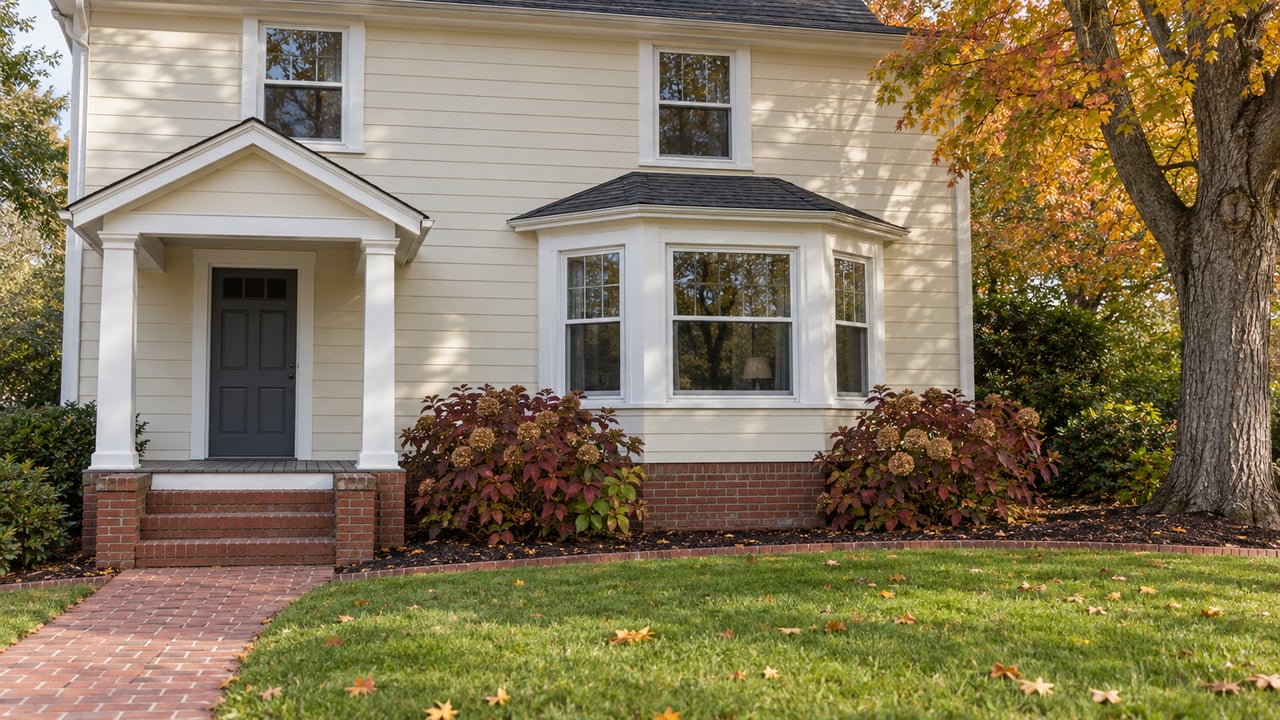
Close to downtown, you will find many Craftsman bungalows, cottages, and small single-family homes. Buyers also look near Montreat, around Lake Tomahawk, and in nearby enclaves for options that range from compact, walkable lots to larger mountain properties. The downtown streetscape reflects early 20th-century brick storefronts that anchor Main Street’s small-town feel.
Prices and what to expect now
By recent snapshots, Redfin reported Asheville’s median sale price around $478K in February 2026 and Black Mountain’s around $541K in December 2025. Month and source can shift results by a few percent, so use provider plus date when comparing. Local reporting in 2025–2026 noted a move toward a more balanced market, with more inventory and longer days on market than the 2020–2022 period (market shift overview).
Walkability and daily logistics
Asheville: block-by-block choice
Walkability depends on where you land. Downtown, Five Points, and South Slope are easy to navigate on foot with dining, coffee, and groceries nearby. Many outer areas are car-first, so if walkability is your priority, focus your search on known walkable pockets and verify errands within a few blocks.
Black Mountain: a compact core
Black Mountain’s State Street and Broadway Avenue form a tight, walkable core with shops, restaurants, and short greenway connections. A Walk Score around 73 reflects the small-town layout and quick access to basics. Try test-walking downtown on a weekday and a weekend to gauge crowds and convenience (Black Mountain Walk Score map).
Arts, dining, and nightlife
Asheville’s regional draw
Asheville has a national reputation for craft beer and chef-driven restaurants, plus the working studios and galleries in the River Arts District. The Asheville Area Chamber maintains brewery and industry context that explains the scale of the scene (Asheville Chamber brewing overview). Gallery walks and brewery events keep evenings lively in districts like the RAD and South Slope, making nightlife options broader and later than in smaller towns.
Black Mountain’s community arts focus
Black Mountain leans local and intimate. The Black Mountain Center for the Arts hosts classes, exhibits, and performances that keep arts woven into daily life. Dining options are fewer but friendly, and you can still be back home on a quiet street within minutes after dinner.
Outdoor access and commute
Trails, greenways, and ridge views
Both towns give you quick access to the Blue Ridge Parkway and popular trailheads. From Asheville, you can tap city greenways near the River Arts District and reach several Parkway entry points easily, as highlighted in the Asheville Visitors Guide. From Black Mountain, you are closer to Montreat trails and Lake Tomahawk, with favorite Parkway spots still an easy drive.
Daily drive and transit notes
Expect a typical 18–25 minute drive between central Asheville and Black Mountain in non-peak times, with a realistic 15–30 minute range depending on traffic and exact start points (Asheville–Black Mountain distance). Public transit exists but is more limited than in larger metros. Asheville’s ART system and Buncombe County’s Mountain Mobility provide bus and paratransit, though routes and frequency are constrained; always check current timetables (transit context from Carolina Public Press).
Schools and practical planning
- Asheville residents are served by Asheville City Schools. Black Mountain addresses fall under Buncombe County Schools, including Black Mountain Primary and Elementary with Owen Middle and High feeders. If school assignment matters to you, confirm current boundaries directly with the district, since assignments can change (district-level info: SchoolDigger district list).
- Western North Carolina saw severe flooding with Hurricane Helene in October 2024. For any property, review elevation, FEMA flood maps, and repair history, and check local updates from Buncombe County on recovery and resilience planning (Buncombe County news and updates).
Who should look where?
Consider Asheville if you want
- A high concentration of restaurants, breweries, galleries, and events. Try downtown, South Slope, or the River Arts District.
- Historic architecture with neighborhood character. Explore Montford, Grove Park, and North Asheville.
- Condo or townhome options with short walks to dining and nightlife.
Consider Black Mountain if you want
- A small-town core you can walk daily, plus a slower evening pace. Start with downtown streets near State and Broadway.
- Close access to Montreat trails and Lake Tomahawk. Look in neighborhoods just east and north of downtown.
- Cottage and bungalow styles, with options for larger mountain lots a short drive away.
How to choose with confidence
- Visit both towns on a weekday and a weekend to feel the crowd level and parking.
- Test your likely commute during your normal travel time.
- Walk to groceries, coffee, and a park from homes you like to confirm daily convenience.
- If schools are a factor, call the district to verify current assignment zones.
- Ask your agent for elevation, flood history, and inspection reports for any property you are serious about.
Ready for a local, straightforward take on Asheville vs. Black Mountain, plus nearby Western NC options? Let’s talk about your lifestyle, budget, and timing, then map out a property tour that fits. Reach out to Mark Causby to get started.
FAQs
What is the typical commute from Black Mountain to Asheville?
- Expect about 16 miles and 18–25 minutes in light traffic, with a realistic range of 15–30 minutes depending on route and time of day (source: Trippy distance estimate).
Is Black Mountain cheaper than Asheville right now?
- Recent snapshots showed Asheville around $478K (Redfin, Feb 2026) and Black Mountain around $541K (Redfin, Dec 2025). Prices vary month to month and by data source, so use the provider and date as context.
Which Asheville neighborhoods are most walkable?
- Downtown, South Slope, and Five Points are among the most walkable, while many outer neighborhoods are car-oriented; Walk Score averages vary widely by block.
How strong are the arts and dining scenes in each town?
- Asheville offers a larger, nationally known scene with breweries, chef-led restaurants, and the River Arts District (Asheville Chamber brewing overview). Black Mountain’s scene is smaller and community-focused, anchored by the Black Mountain Center for the Arts.
Is there public transit between the two towns?
- Asheville’s ART bus system and Buncombe County’s Mountain Mobility offer some service, but routes and frequency are limited compared with bigger metros; check current schedules (transit context).
What should I know about flood risk in Buncombe County?
- Review FEMA flood maps, confirm property elevation, and check local recovery updates following Hurricane Helene via Buncombe County’s channels (county news and updates).