Looking for an investment property in Hickory can feel simple at first. Then you start comparing rents, taxes, zoning, condition, and location, and the picture gets more complicated fast. The good news is that promising deals do exist here if you know what to look for. In this guide, I’ll walk you through the local signs that can help you spot a property with real potential in Hickory. Let’s dive in.
Start With Hickory’s Market Basics
Before you look at any one house or small commercial property, it helps to understand the bigger picture. Hickory had an estimated 2024 population of 45,081, a median household income of $64,576, a 55.0% owner-occupied housing rate, a median owner-occupied home value of $278,400, and a median gross rent of $1,063.
That tells you something important right away. In many cases, Hickory works better as a buy-for-basis market than a market where every turnkey rental produces strong cash flow on day one. In plain terms, the numbers often work best when you buy at the right price, improve the property wisely, or choose a setup that creates more than one income stream.
Hickory also serves as a regional hub for more than 365,000 people for commerce and recreation. That broader draw can matter when you evaluate demand, especially for well-located rentals, mixed-use properties, or small redevelopment opportunities.
Focus on Location First
A promising investment property usually starts with the right location for your plan. In Hickory, that means looking closely at downtown, nearby older neighborhoods, and selected corridor locations.
Downtown Hickory Opportunities
Downtown Hickory is the city’s Central Business District. It includes restaurants, retail, offices, entertainment venues, and mixed-use activity, with the City Walk running along Main Avenue from Lenoir-Rhyne University through downtown to 11th Street NW and Old Lenoir Road.
The city also highlights One North Center, a mixed-use development that opened in 2021. That matters because ongoing mixed-use investment can support interest in nearby properties, especially if you are considering a building with commercial space on the ground floor and housing above or nearby.
If you are reviewing a downtown property, pay attention to whether the site fits a pedestrian-oriented setting. The city’s C-1 district is intended to preserve downtown’s role as a commercial, financial, cultural, and governmental center.
Inner-Ring Neighborhoods Worth Watching
Some of Hickory’s most interesting small-scale investment opportunities may sit just outside the downtown core. These older neighborhoods often include the kind of housing stock investors look for, such as smaller homes, bungalows, duplexes, and older multi-family buildings.
Areas mentioned by the city that often deserve a closer look include:
- Oakwood/Hillcrest, near downtown, with historic dwellings including Queen Anne, Colonial Revival, Tudor Revival, and Bungalow styles
- Green Park, described by the city as one of Hickory’s oldest neighborhoods
- Claremont, which includes single-family and multi-family residences along with institutions and commercial businesses
- Ridgeview and Highland, both near downtown and other core amenities
These areas can appeal to investors because older housing stock may create room for renovation, repositioning, or long-term hold strategies. That said, older properties also bring more condition questions, and in some areas, preservation rules may affect what you can change.
Corridor and Edge Locations
Not every promising deal is near downtown. Some edge and corridor properties can work well too, but they usually need more careful review.
For example, West Hickory/Westmont has residential pockets mixed with more intense commercial and industrial activity. Kenworth is bounded by major thoroughfares and has commercial and industrial uses along its edges. These areas may offer redevelopment potential or value opportunities, but you need to study the surrounding uses, traffic patterns, and zoning more closely before moving forward.
Match the Property Type to the Opportunity
Once you like the location, the next step is finding a property type that fits the local market and your goals. In Hickory, practical small-investor targets often fall into a few categories.
Older Single-Family Homes and Bungalows
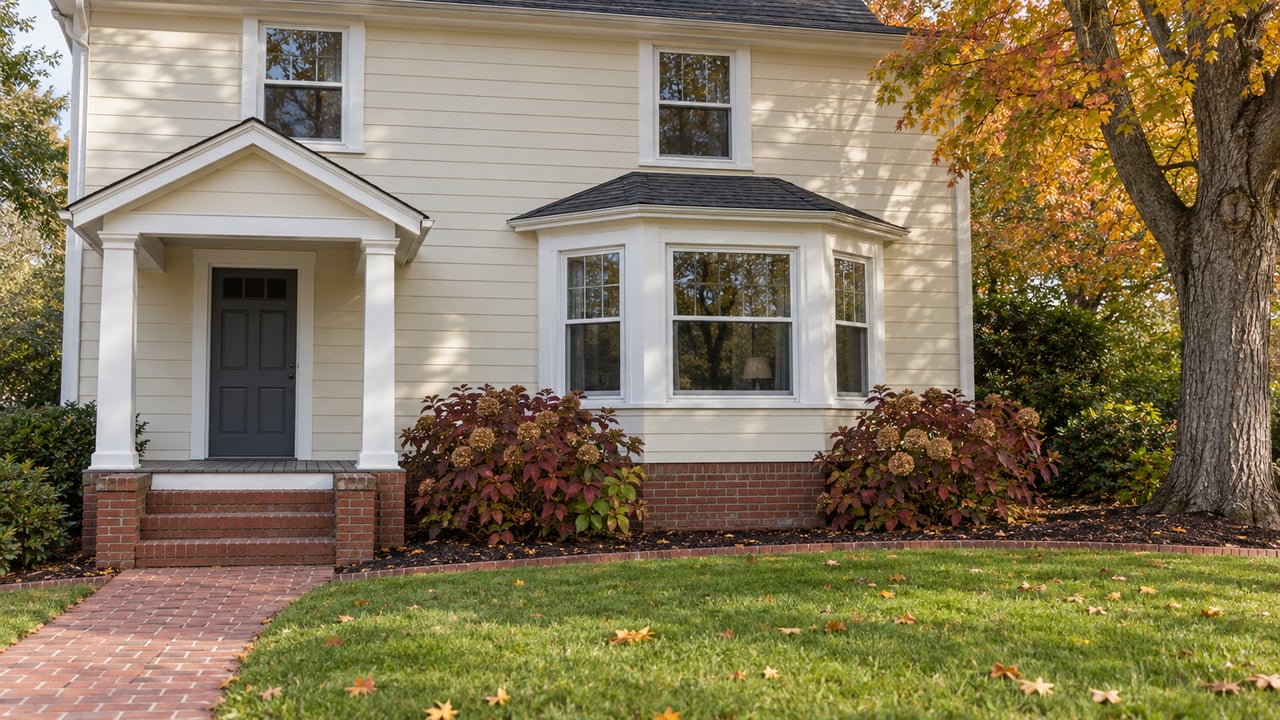
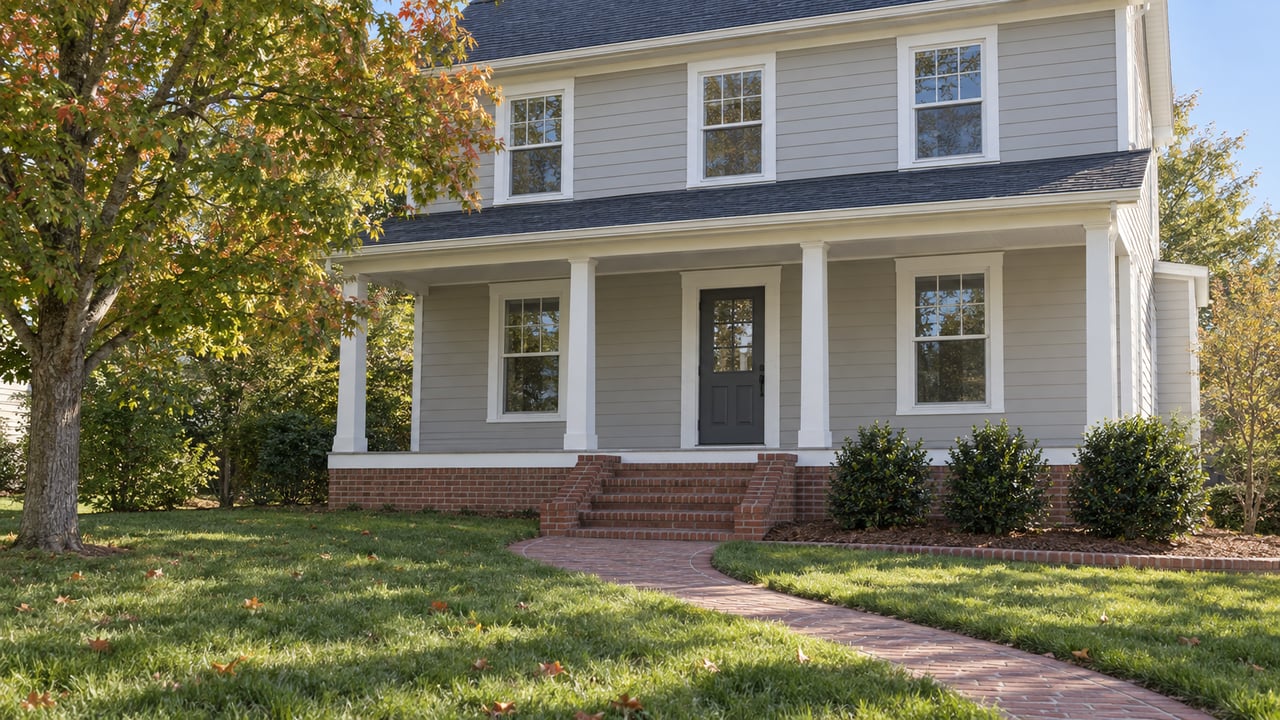
Older homes can make sense when the purchase price leaves room for repairs and updates. In neighborhoods with established housing stock, these properties may offer an entry point for long-term rentals or resale after thoughtful renovation.
The key is not just charm. You want to know whether the layout, lot, parking, and condition support your plan without creating a renovation budget that gets out of hand.
Duplexes and Small Multi-Family Buildings
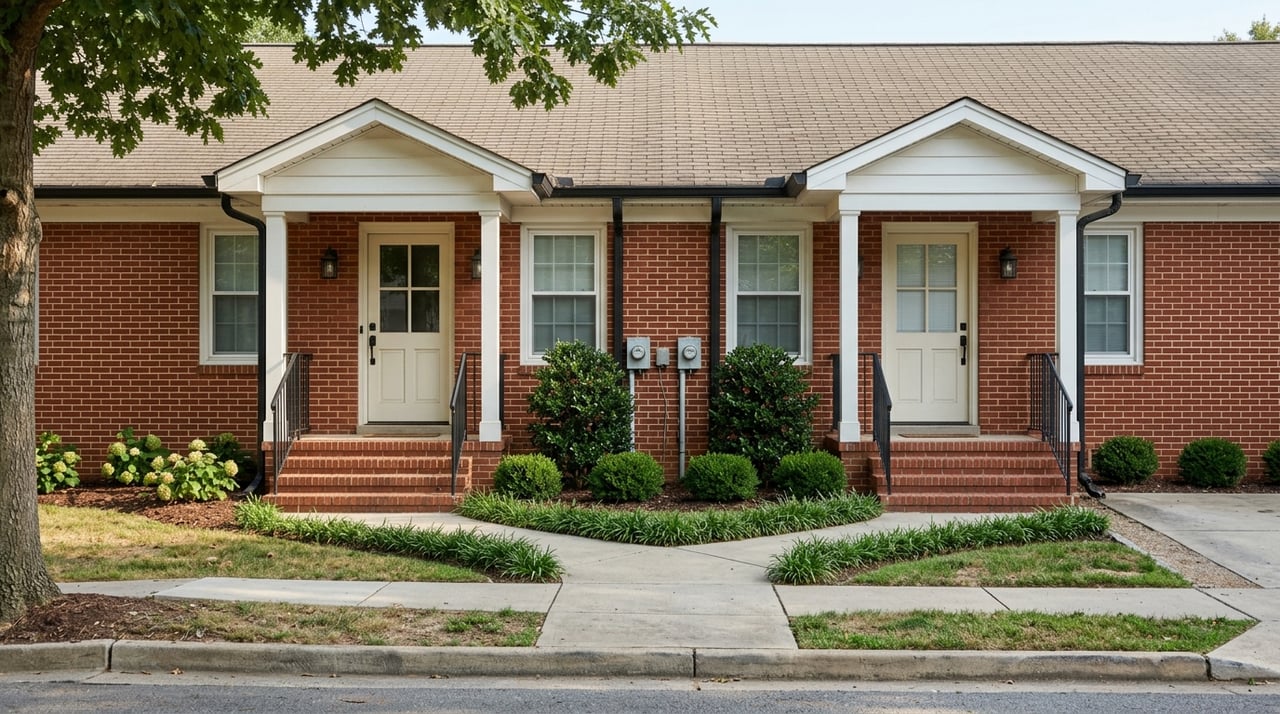
In a market where taxes and expenses matter, multiple income streams can improve the numbers. Duplexes and small multi-family properties can be attractive for that reason, especially in areas like Claremont where mixed residential patterns already exist.
When you review these properties, make sure the current use matches what zoning allows. Never assume a building is legally configured just because it has been used a certain way in the past.
Mixed-Use Properties
Downtown and nearby core areas can make mixed-use property especially interesting. If a building combines commercial space with residential potential, it may offer more flexibility than a standard single-purpose property.
That flexibility can be valuable, but mixed-use deals also require more due diligence. You need to confirm allowed uses, building condition, access, and whether your intended setup fits the exact zoning district.
Properties With ADU Potential
In Hickory, accessory dwelling units can be a meaningful opportunity. The city states that ADUs are permitted by right in all residential zoning districts, subject to applicable regulations and setbacks.
That can open the door to a supplemental income strategy or a house-hack setup. If you are considering an ADU property, confirm lot size, setbacks, placement, access, and any other site-specific requirements before you build your numbers around that plan.
Watch for Historic District Rules
Some of Hickory’s most appealing older properties sit in areas with historic significance. That can add character and long-term appeal, but it can also affect your renovation plans.
The city says local historic districts are a form of overlay zoning that gives the Historic Preservation Commission design-review authority over exterior changes and new construction. Hickory’s current local historic districts are Oakwood, Kenworth, and Claremont.
That does not mean you should avoid these areas. It does mean you should slow down and verify what is allowed if you plan to change the exterior, add units, or alter the building in a major way. The difference between a local historic district and a National Register listing matters here, because the local district carries design-review authority.
Run the Numbers Realistically
A promising property is not just about a good street or a nice-looking building. It has to make sense on paper.
Use Rent Benchmarks Carefully
HUD’s FY2026 fair market rents for the Hickory-Lenoir-Morganton MSA are:
- Studio: $858
- 1-bedroom: $908
- 2-bedroom: $1,095
- 3-bedroom: $1,372
- 4-bedroom: $1,660
Compared with Hickory’s median gross rent of $1,063 and median owner-occupied value of $278,400, the rough annual gross rent-to-value ratio is about 4.6% before vacancy, taxes, repairs, insurance, financing, and utilities.
That is a useful reality check. It suggests you should be cautious about deals that only work if everything goes perfectly.
Factor in Property Taxes
In Catawba County, property is subject to county tax plus either fire or municipality tax. The 2025 rate sheet lists Hickory city at 0.46 per $100 of value and the county at 0.3985 per $100.
On a $278,400 property, that works out to about $2,390 per year in combined county and city tax before any special district charges. At the median rent level, the combined city and county property tax burden is about 19% of annual gross rent, which is a major reason many Hickory deals need either a strong basis or a clear value-add plan.
Look for These Financial Green Flags
When I look at a potential investment in a market like Hickory, I want to see signs such as:
- A purchase price that leaves room for repairs and carrying costs
- More than one possible income stream, such as a duplex setup, mixed-use layout, or ADU potential
- A location that supports stable demand for the intended use
- A realistic renovation scope instead of a project with too many unknowns
- Taxes and operating costs that still leave breathing room in the deal
If the property only works with aggressive rent assumptions or a best-case renovation budget, it may not be as promising as it first appears.
Verify Zoning Before You Offer
This is one of the biggest steps investors skip, and it can be costly. Before you write an offer, verify the parcel’s zoning, any split zoning, overlay districts, flood zones, and allowed uses.
The city zoning map and the Catawba County GIS parcel report can help show zoning district, zoning overlays, split zoning, and small-area planning information. The GIS help page also notes that flood zone layers are available.
This matters because appearance can be misleading. A property may look like a duplex, mixed-use building, or redevelopment site, but your intended use still has to match the exact district and permitted use table.
Remember the ETJ Rules
Hickory’s Land Development Code applies throughout the city and its extraterritorial jurisdiction, or ETJ. So if a property is just outside the city line, you should not assume the rules are completely different.
That is especially important for deals involving added units, conversions, or mixed-use plans. Confirm the district, overlay rules, and use permissions before you rely on your investment model.
Check Permits and Access Issues
The City of Hickory says the Permit Center includes zoning enforcement staff, and Catawba County enforces the state building code within Hickory’s jurisdiction. If your plan includes a lot split, a new access point, or a redevelopment footprint, you may also need to review subdivision guidance and possible driveway permit requirements for state-maintained roads.
This kind of due diligence may not be exciting, but it is where many strong deals are protected and many weak deals get exposed.
A Simple Hickory Investment Checklist
If you want a quick way to screen a property, start with these questions:
- Is the location a fit for the intended use?
- Does the zoning actually allow the plan?
- Is there any local historic district or overlay that affects changes?
- What do the taxes do to the projected cash flow?
- Are the rent assumptions grounded in local reality?
- Does the property need light improvement, or a full rebuild of your budget?
- Is there room for value-add through updates, layout improvement, or an ADU?
- Are flood zones, split zoning, or access issues part of the picture?
If you can answer those questions clearly, you are already ahead of many buyers.
The Bottom Line on Hickory Investment Deals
The strongest investment properties in Hickory usually combine three things: the right location, zoning that supports the plan, and a purchase basis that leaves room for taxes, repairs, and vacancy. Downtown mixed-use buildings, older homes in inner-ring neighborhoods, and selected corridor properties can all offer opportunity, but only when the details line up.
That is why local due diligence matters so much here. If you are thinking about buying an investment property in Hickory and want a practical second set of eyes on the location, zoning questions, or overall fit, I’d be glad to help you sort through the options. Reach out to Mark Causby to talk through your goals.
FAQs
What makes an investment property promising in Hickory?
- A promising Hickory investment property usually has a location that fits the intended use, zoning that allows the plan, and a purchase price that leaves room for taxes, repairs, vacancy, and other costs.
Which Hickory areas should investors look at first?
- Downtown Hickory, nearby older neighborhoods like Oakwood/Hillcrest, Green Park, Claremont, Ridgeview, and Highland, plus selected corridor locations, often deserve a closer look depending on your strategy.
Are ADUs allowed on residential properties in Hickory?
- Yes. The city states that accessory dwelling units are permitted by right in all residential zoning districts, subject to the applicable regulations and setbacks.
Do historic district rules affect Hickory investment properties?
- Yes, they can. In local historic districts such as Oakwood, Kenworth, and Claremont, the Historic Preservation Commission has design-review authority over exterior changes and new construction.
How important are property taxes when buying a Hickory rental property?
- Property taxes are a major part of the analysis. Based on the 2025 city and county rates in the research, the combined tax burden on a median-value property is significant and can take a meaningful share of annual gross rent.
What should you verify before making an offer on a Hickory investment property?
- You should verify zoning, any split zoning, overlay districts, flood zones, allowed uses, and any permit or access issues before writing an offer.