Cabin shopping in Black Mountain can feel simple at first glance. You see a porch, a view, and a wooded setting, and it is easy to picture weekends in the mountains. But when you look closer, the best cabin choice often comes down to three practical things: layout, access, and setting. If you understand how those pieces work together, you can buy with more confidence and avoid surprises later. Let’s dive in.
Why setting matters in Black Mountain
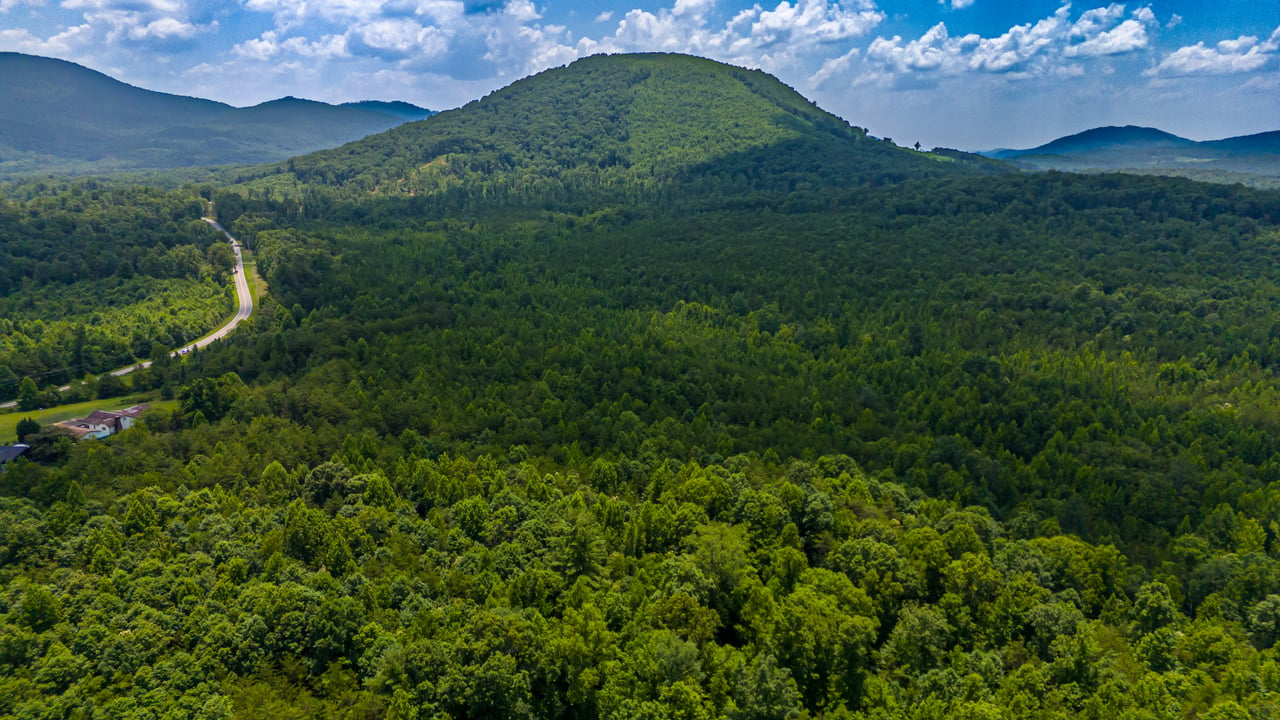
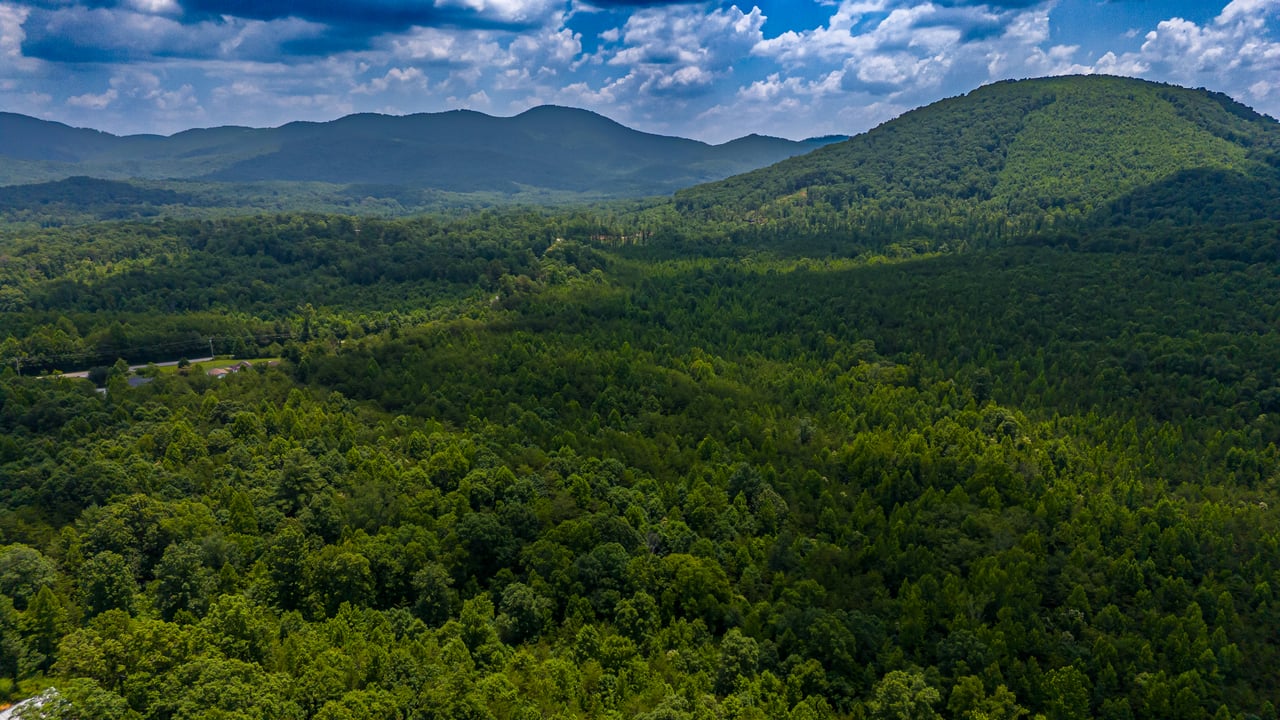
In Black Mountain, the site is a big part of the property’s value and day-to-day livability. The town’s land-use code is designed to support orderly development while protecting property values, scenic beauty, natural resources, parks, and open spaces. For you as a buyer, that means the land around the cabin matters almost as much as the cabin itself.
Some buyers want a tucked-away mountain feel, while others want easier access to downtown and daily conveniences. Black Mountain offers both. The town maintains about 43 miles of public streets and more than 10 miles of public sidewalks, and it also provides bus service within Black Mountain and to Asheville.
That mix gives you options. You can look for a cabin near in-town amenities, or you can focus on a more private setting and accept a little more travel time and road complexity.
Think about how you will use the cabin
Before you get attached to finishes or views, think about how the cabin will actually work for your life. A weekend retreat, a part-time second home, and a full-time residence can all call for different priorities.
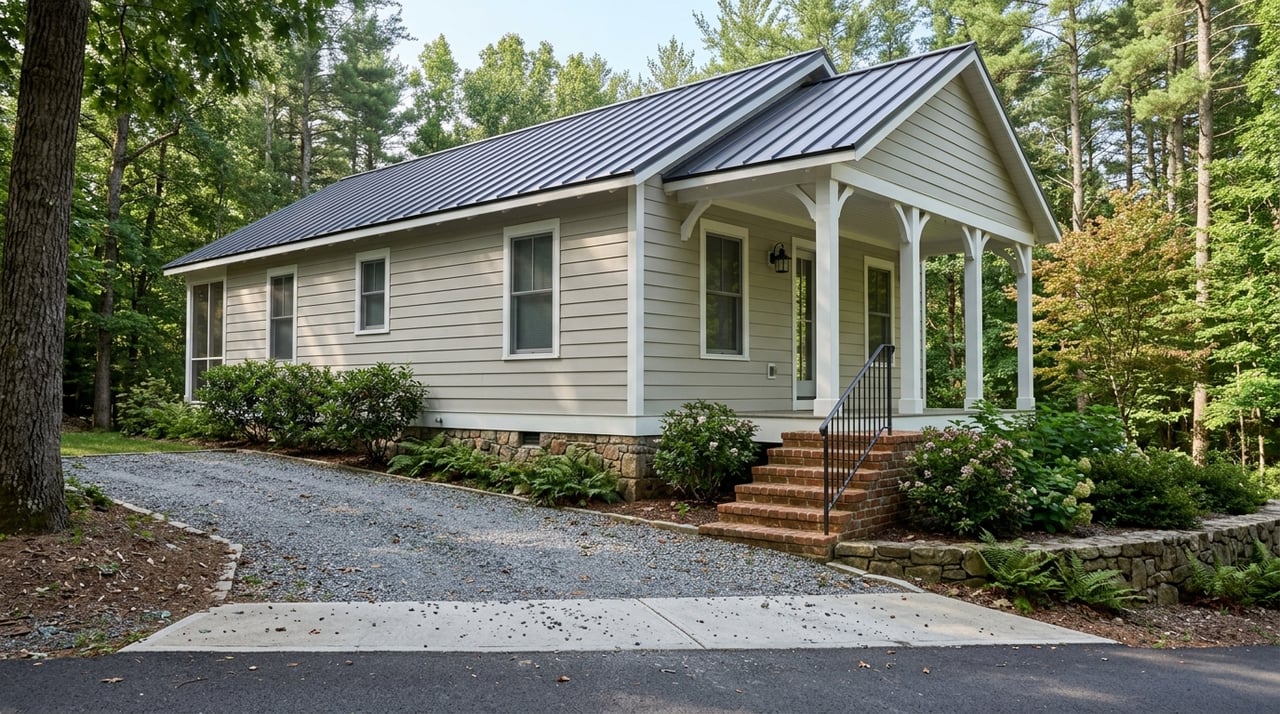
In this market, some of the most practical cabin layouts tend to include a main-level bedroom and bath, a simple common area, a loft or flex room for guests, and storage for outdoor gear. That is not a local rule, but it fits the area’s terrain, recreation patterns, and access realities.
If you plan to host family or friends, a main-level sleeping area can make the home easier to use. If you expect to bring bikes, hiking gear, or other outdoor equipment, storage quickly becomes more important than it may seem during a short showing.
Main-level living adds flexibility
A cabin with key daily spaces on the main level often gives you more flexibility over time. You may not need that feature today, but it can make the home more comfortable for guests and easier to enjoy long term.
It also helps when everyone does not want to climb stairs every day. In a mountain property, simple function usually ages better than a layout that depends too heavily on upper floors.
Outdoor space should be verified
Porches and decks are a huge part of cabin living, but you should confirm they were properly permitted. Buncombe County lists decks as a permit category, and within Black Mountain town limits, permitted work requires inspections.
That matters because outdoor living areas often shape how much you enjoy the property. If a deck or porch is a major selling point, you want to know its status before you move forward.
Access can make or break a cabin purchase
A beautiful cabin is only as practical as the road and driveway that get you there. In Black Mountain, access is not a small detail. It is one of the first things I would want any buyer to understand clearly.
Start by verifying whether the property is on a state-maintained road, a municipal road, or a private road. NCDOT’s Public Street Information Database can identify road ownership and maintenance status, and roads not highlighted on the map may be private or municipally maintained.
That information affects more than your commute. It can shape road upkeep, delivery access, heavy vehicle access, and what to expect in rough weather.
Watch for posted roads
NCDOT also tracks posted roads, which are secondary roads that cannot carry heavy vehicles or equipment. If a road is posted, that is a strong clue to ask more questions.
For example, you may want to understand how large deliveries reach the property, whether moving trucks can access it easily, and whether service vehicles can safely get in and out. Those practical details can matter a lot more than buyers expect.
Scout routes deserve extra attention
Black Mountain adds another local wrinkle with what it calls scout routes. These are difficult-access roads that are typically narrow and may have low-hanging utility lines, no turnaround, steep curves, gravel surfaces, or some combination of those conditions.
The town’s sanitation department uses a smaller truck on scout routes because the regular truck cannot navigate them. For you, that is a strong signal to check everyday access carefully, including parking, delivery access, emergency access, and whether there is a workable turnaround.
Winter access is part of value
Mountain buyers should also think through winter usability. NCDOT’s snow-clearing policy does not include driveways or driveway entrances, and the state prioritizes interstates and major routes ahead of smaller secondary or unpaved roads.
That means a cabin’s year-round value is tied to more than the house itself. You should pay close attention to driveway slope, surface, and maintenance needs, especially if the property sits off a smaller road or in a steeper setting.
Black Mountain offers different kinds of settings
One reason buyers are drawn to Black Mountain is the variety of experiences you can have from one property to the next. Some cabins feel connected to town and daily recreation, while others feel more remote and trail-focused.
If you want easier access to local walking routes and community amenities, Black Mountain has several greenways and trails. These include the Lake Tomahawk Loop, River Loop, Community Garden Trail, Oaks Trail, and Flat Creek Trail.
The Oaks Trail connects Veterans Park to the sidewalk network and downtown. The Community Garden Trail also provides a safe connection between communities north and south of I-40.
In-town convenience vs. rugged access
If you are looking for a cabin that supports a more serious hiking lifestyle, the surrounding mountain setting may be a bigger draw than proximity to downtown sidewalks. Mount Mitchell State Park lists the Black Mountain Crest Trail as 11.3 miles one way and strenuous.
That contrast is important when you evaluate location. Some buyers want to be close to shops, parks, and sidewalks, while others care more about a rugged basecamp feel. Neither is better. The right choice depends on how you plan to use the property.
Permits and site checks to review
Once you narrow down a cabin, the next step is to confirm the basics behind the scenes. A pretty setting can distract from issues that are much easier to address before closing than after.
Inside Black Mountain’s incorporated limits, the town handles permitting and inspections. Elsewhere in Buncombe County, the county permitting division handles work such as new construction, remodels, repairs, decks, log homes, and accessory buildings.
That distinction matters because where the property sits affects which office handled the work. A clean permit history can make your purchase feel a lot more straightforward.
Septic, well, and floodplain questions
If the cabin is not on public sewer, Buncombe County requires a septic permit before a building permit is issued. The county also requires a well permit before drilling a new well.
If the site is in a floodplain, Black Mountain requires a Floodplain Development Permit before construction, grading, or other development work begins. These are key items to verify early, especially if you are considering future improvements.
Historic district and zoning considerations
If the property is in or near downtown, the Historic Preservation Commission may review alterations, demolition, or new construction within the regulatory Downtown Historic District. Some projects require a Certificate of Appropriateness.
Black Mountain zoning also addresses setbacks, parking requirements, landscaping, signs, and subdivisions. If you hope to add structures or make visible changes later, these details are worth reviewing before you buy.
What tends to support resale later
No one can promise future value, but some cabin features tend to make resale simpler in Black Mountain. In my experience, buyers usually respond well to homes that balance privacy with practical access.
That often means enough parking, a driveway that works across seasons, and a layout that does not force every guest upstairs. Properties that offer good access to town or trail connections without depending too heavily on a remote private road may also appeal to a wider set of future buyers.
Clean permit history, clear utility status, and a site that fits the terrain can also reduce uncertainty later. For part-time owners, Black Mountain even offers a vacation house check service through the police department, which can be a helpful local feature to know about.
A smart way to compare cabins
When you tour cabins in Black Mountain, try using a simple framework instead of focusing only on charm. Ask yourself:
- Does the layout fit how you will actually live in the home?
- Is there a main-level bedroom and bath?
- How easy is the driveway in wet or winter conditions?
- Is the road state-maintained, municipal, or private?
- Does the property sit on a scout route or posted road?
- Is there enough parking and turnaround space?
- Were decks, porches, or additions properly permitted?
- Are septic, well, or floodplain questions fully answered?
- Do you want trail access, downtown convenience, or more privacy?
That kind of checklist can help you compare one property to another in a practical way. It also helps you stay grounded when a great view makes every cabin look perfect for a few minutes.
If you are sorting through mountain properties and want a local perspective on what really matters beyond the photos, I’d be glad to help you think it through. Reach out to Mark Causby for practical guidance as you compare cabins in and around Black Mountain.
FAQs
What cabin layout works best in Black Mountain?
- A practical Black Mountain cabin often includes a main-level bedroom and bath, a simple common area, guest space such as a loft or flex room, and storage for outdoor gear.
Why does road type matter for a Black Mountain cabin?
- Road type affects maintenance, delivery access, heavy vehicle access, and what you may experience during winter weather, so it is important to confirm whether the road is state-maintained, municipal, or private.
What is a scout route in Black Mountain?
- A scout route is a difficult-access road that may be narrow, steep, gravel, lacking a turnaround, or affected by low-hanging utility lines, and it signals that you should closely review access and parking.
What permits should you check before buying a cabin in Black Mountain?
- You should verify permit history for features like decks or additions and review whether septic, well, floodplain, zoning, or historic district requirements apply to the property.
How important is winter access for a Black Mountain cabin?
- Winter access is very important because NCDOT does not clear private driveways or driveway entrances, and major roads are prioritized before smaller secondary or unpaved roads.
Are there cabins near trails and downtown in Black Mountain?
- Yes, Black Mountain offers settings near greenways and sidewalk-connected areas as well as more rugged mountain access near serious hiking areas, so you can choose the setting that best fits your lifestyle.