Looking for a home that puts you close to coffee, shops, live music, and your own workspace all at once? If you are drawn to a more walkable, connected way of living, downtown Lenoir offers a setting worth a closer look. Loft and live-work properties here can give you a different kind of daily rhythm, with character-rich buildings, mixed-use planning, and easy access to downtown activity. Let’s dive in.
Why downtown Lenoir fits loft living
Downtown Lenoir is not being shaped as a car-first commercial strip. City planning documents describe it as a mixed-use, pedestrian-oriented core where residential, commercial, and public or semi-public uses work together. Live-work buildings are also listed as a secondary use in the downtown framework, which makes this type of living part of the city’s vision.
That matters if you want a home that feels connected to the street and the life of downtown. The city’s planning also emphasizes buildings placed near the street edge, along with sidewalks, street trees, benches, and a more walkable layout. In practical terms, that creates the kind of environment many buyers picture when they think about loft or live-work living.
Downtown Lenoir is also more than a small cluster of storefronts. The city describes downtown as roughly a 20-block district, and the Special Downtown Tax District includes the B-3 Central Business Zone, the Municipal Service District, and the National Register Historic District. That gives you a defined downtown core with an established identity and ongoing public attention.
What loft and live-work spaces may look like
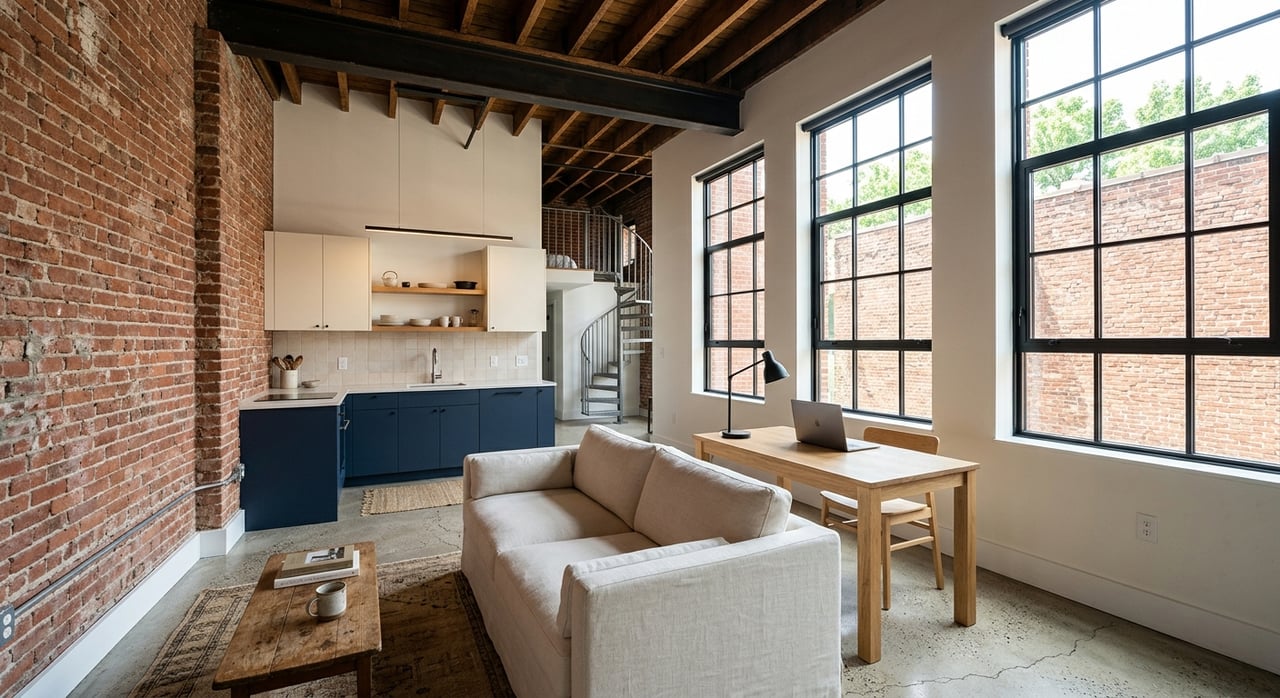
In downtown Lenoir, loft and live-work opportunities are likely to come from older buildings that have been repurposed rather than newer suburban-style apartment projects. That is consistent with the city’s mixed-use land-use policy and its downtown rehabilitation efforts. If you are searching here, expect character and adaptation more than cookie-cutter design.
That can be a big plus if you like original details and flexible layouts. Older downtown buildings often lend themselves to upper-floor housing, office space, studio use, or owner-occupied work areas. Depending on the property, you may find a setup that supports both everyday living and a small business or creative workspace.
The city’s BUILD grant program gives a helpful clue about the kinds of features and systems that matter in these buildings. Eligible improvement items include window repair, masonry, awnings, historic interior features, lighting, painting, plumbing, HVAC, electrical work, fire alarms, and sprinkler systems. That list suggests many downtown properties have the bones and charm buyers want, but they may also need thoughtful updates.
The downtown feel day to day
Lifestyle is a big part of the appeal. The city’s visitor information highlights downtown shopping, dining, events, and parking, and the downtown social district currently operates Wednesday through Saturday from 12:00 p.m. to 10:00 p.m. If you like being able to step out your door and be part of the action, that is a real draw.
Downtown events help bring that lifestyle to life. One current example is Friday Night Live on the Downtown Square, with live music from 7:00 to 10:00 p.m. and encouragement for people to shop local, eat downtown, and use the social district. For someone considering loft living, that creates the kind of built-in energy you cannot always find in a more spread-out neighborhood.
Arts also play a visible role in downtown Lenoir. The Caldwell Arts Council has promoted local and regional artists since 1976 and installs Tucker’s Outdoor Sculpture Gallery on Main Street and West Avenue. It also hosts the annual Sculpture Celebration at Broyhill Walking Park, which includes live music and food trucks.
Another major downtown asset is The Campus at the Historic Lenoir High School. According to the city, it will include a 500-seat auditorium, a 10,000-square-foot flex-space gymnasium, a 4,000-square-foot pavilion for events and a farmers market, and a visitor center tied to the Overmountain Victory Trail. Projects like that can strengthen downtown as both a place to live and a place to gather.
Who may like this setup most
Loft and live-work living is not for everyone, and that is okay. In downtown Lenoir, this setup may be a natural fit if you want to live close to dining, arts, and events, prefer a compact and lower-maintenance lifestyle, or need room for a studio, office, or shop space within the same property. Those are planning-based inferences from the city’s downtown framework, and they line up with what many buyers are looking for in mixed-use districts.
You may also appreciate downtown living if you value a home with personality over a standard floor plan. Older buildings can offer a different sense of scale and character. For some buyers, that tradeoff is exactly the point.
From my side of real estate, this is where local guidance matters. A loft or live-work property can look exciting online, but the real question is how the space functions for your goals day to day. You want the right fit, not just an interesting address.
Key tradeoffs to think through
The same features that make downtown properties appealing can also call for more due diligence. Older buildings may come with questions about maintenance, building systems, accessibility, and life-safety updates. The city’s BUILD program specifically names accessibility, electrical, fire alarm and sprinkler systems, HVAC, plumbing, and historic interior restoration as eligible rehab items, which shows how important those issues can be.
Parking is another practical point to think through. Downtown planning encourages buildings at the street edge and discourages off-street parking between the street and the front facade. That supports a more walkable downtown design, but it also means your parking expectations may need to match an urban-style setting.
If you are considering a live-work property, you also need to confirm that your intended use fits the property’s location and zoning. The city notes that buyers and sellers should verify whether a property is in the B-3 Central Business Zone or the Municipal Service District, whether the intended use is permitted, and whether lease, fire-safety, or accessibility upgrades may be needed before occupancy. Those details can shape both your budget and your timeline.
A helpful downtown incentive
If a property is inside the Municipal Service Tax District, the city’s downtown rehab grant may help offset certain improvements. Eligible applicants can receive up to 33.33% of approved costs, capped at $5,000, with a two-to-one match requirement. That will not cover a full renovation, but it can be meaningful if you are improving a qualifying downtown space.
This is one more reason to look beyond surface-level charm. A building with strong location and character may have added upside when local programs support its upkeep or reuse. If you are buying with a long-term view, incentives like this are worth reviewing early.
What to look for before you buy
When you tour loft or live-work opportunities in downtown Lenoir, it helps to focus on both lifestyle and property function. A beautiful brick building or upper-floor unit can be compelling, but you also want clarity on what ownership or occupancy will really involve.
Here are a few smart questions to ask:
- Is the property within the B-3 Central Business Zone or Municipal Service District?
- Is the intended live-work use permitted as the property is currently configured?
- What updates have been made to HVAC, electrical, plumbing, fire alarms, or sprinklers?
- Are there accessibility improvements or life-safety upgrades still needed?
- How does parking work for residents, visitors, or clients?
- Could the property qualify for the city’s downtown rehab grant?
These are the kinds of details that can affect value, use, and long-term satisfaction. A little homework upfront can help you avoid surprises later.
Why local guidance helps
Downtown properties are rarely one-size-fits-all. That is especially true when you are balancing residential comfort with workspace needs, or when you are evaluating a building with age, character, and possible renovation history. In a market like Lenoir, understanding the district layout, the city’s downtown plans, and the practical realities of older buildings can make your search much smoother.
I always encourage buyers to look at the full picture. That includes the feel of the block, how close you are to shops and events, what the building systems look like, and whether the property supports the way you want to live. A loft or live-work space should be more than interesting. It should make sense for your day-to-day life and your long-term goals.
If you want help exploring downtown opportunities in Lenoir or comparing them with other in-town and mixed-use options nearby, connect with Mark Causby.
FAQs
What is loft living like in downtown Lenoir?
- Loft living in downtown Lenoir is likely to center on older repurposed buildings in a mixed-use, walkable downtown rather than large new apartment complexes.
What does live-work mean in downtown Lenoir?
- In downtown Lenoir, live-work generally refers to a property that combines residential living with space for an office, studio, shop, or similar work use, subject to local zoning and property-specific requirements.
What types of buildings support loft or live-work space in Lenoir?
- The most likely candidates are older downtown buildings that may have been adapted for upper-floor housing, offices, or owner-occupied workspace.
What should buyers verify before buying a live-work property in downtown Lenoir?
- Buyers should confirm zoning or district location, whether the intended use is permitted, and whether any fire-safety, accessibility, lease-related, plumbing, HVAC, or electrical upgrades are needed.
Are there rehab incentives for downtown Lenoir properties?
- Yes. Eligible applicants inside the Municipal Service Tax District may qualify for a downtown rehab grant covering up to 33.33% of approved costs, capped at $5,000, with a two-to-one match requirement.
What makes downtown Lenoir appealing for this lifestyle?
- Downtown Lenoir offers a mixed-use setting with shopping, dining, events, public spaces, arts programming, and planned improvements that support a connected, pedestrian-oriented lifestyle.