Trying to choose between an Asheville condo and a mountain home? You are not alone. In Buncombe County, that decision often comes down to how you want to live day to day, not just what you want to spend. If you are weighing convenience, upkeep, outdoor access, and space, this guide will help you sort through the tradeoffs and move forward with more confidence. Let’s dive in.
Why this choice matters in Asheville
Asheville is not a one-size-fits-all market. Buncombe County sits in the Blue Ridge Mountains and serves as a regional hub for healthcare, government, education, tourism, and outdoor recreation. That mix gives you both in-town living options and mountain-style properties with very different lifestyles attached.
The mountain setting also shapes the decision in practical ways. County officials note exposure to flooding, landslides, winter storms, and other weather-related disruptions. That means your location, road access, and maintenance expectations can matter just as much as the home itself.
From a pricing standpoint, the market covers a wide range. Recent snapshots place Asheville’s median sale price around $507,000, Buncombe County’s median listing price around $589,000, and Asheville condos at a median listing price near $460,000. These numbers come from different measures, so they are best used as general context rather than direct comparison.
What Asheville condos usually offer
Condo living centers on convenience
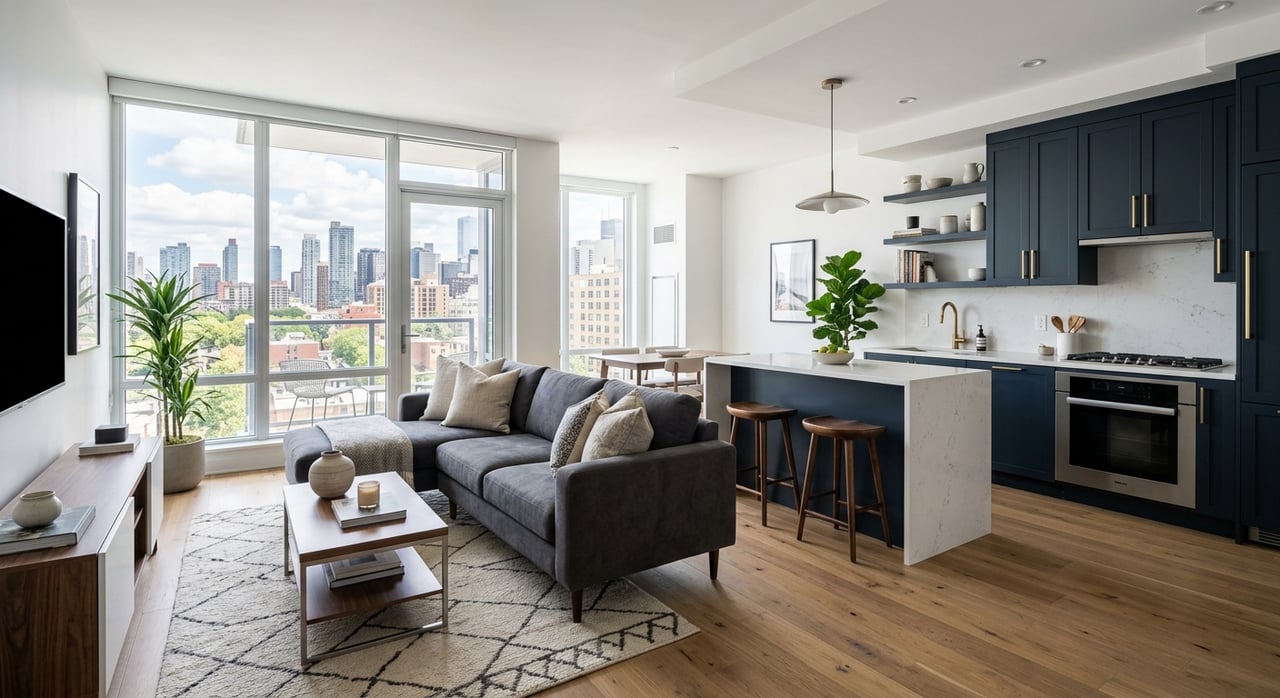
If you want easier access to downtown Asheville, a condo may feel like the simpler fit. Some in-town condo listings are described as walkable to downtown, the River Arts District, and nearby grocery options. In a city that is still considered minimally walkable overall, true in-town location can be a real advantage.
That convenience can extend beyond restaurants and shops. Asheville manages about 9 miles of greenways, which can give condo owners easier access to walking and biking routes without a long drive. If you like stepping outside for a quick walk or casual ride, that can be a meaningful quality-of-life benefit.
Condo sizes and prices vary more than many buyers expect
Asheville condos are not all small, basic units. Current listing snapshots show 1-bedroom condos ranging from about 461 to 1,280 square feet and roughly $199,000 to $875,000. Sample 2-bedroom units range from about 913 to 2,477 square feet and roughly $235,000 to $1.44 million.
Even with that wide spread, many condo options appear to fall into a more practical middle band. A lot of sampled units land around 700 to 1,250 square feet and roughly $225,000 to $645,000. For many buyers, that means you can find everything from a compact lock-and-leave property to a larger, amenity-rich home base.
Condo ownership means shared responsibility
The biggest condo tradeoff is not always size. It is the ownership structure. Under North Carolina law, condo associations are generally responsible for maintaining, repairing, and replacing common elements, and owners can be assessed for those costs.
That setup can reduce the amount of exterior maintenance you handle yourself. At the same time, condo dues are usually paid separately from your mortgage and can range from a few hundred dollars per month to more than $1,000. Before buying, you will want to review the association’s rules, finances, and reserve health carefully.
What mountain homes usually offer
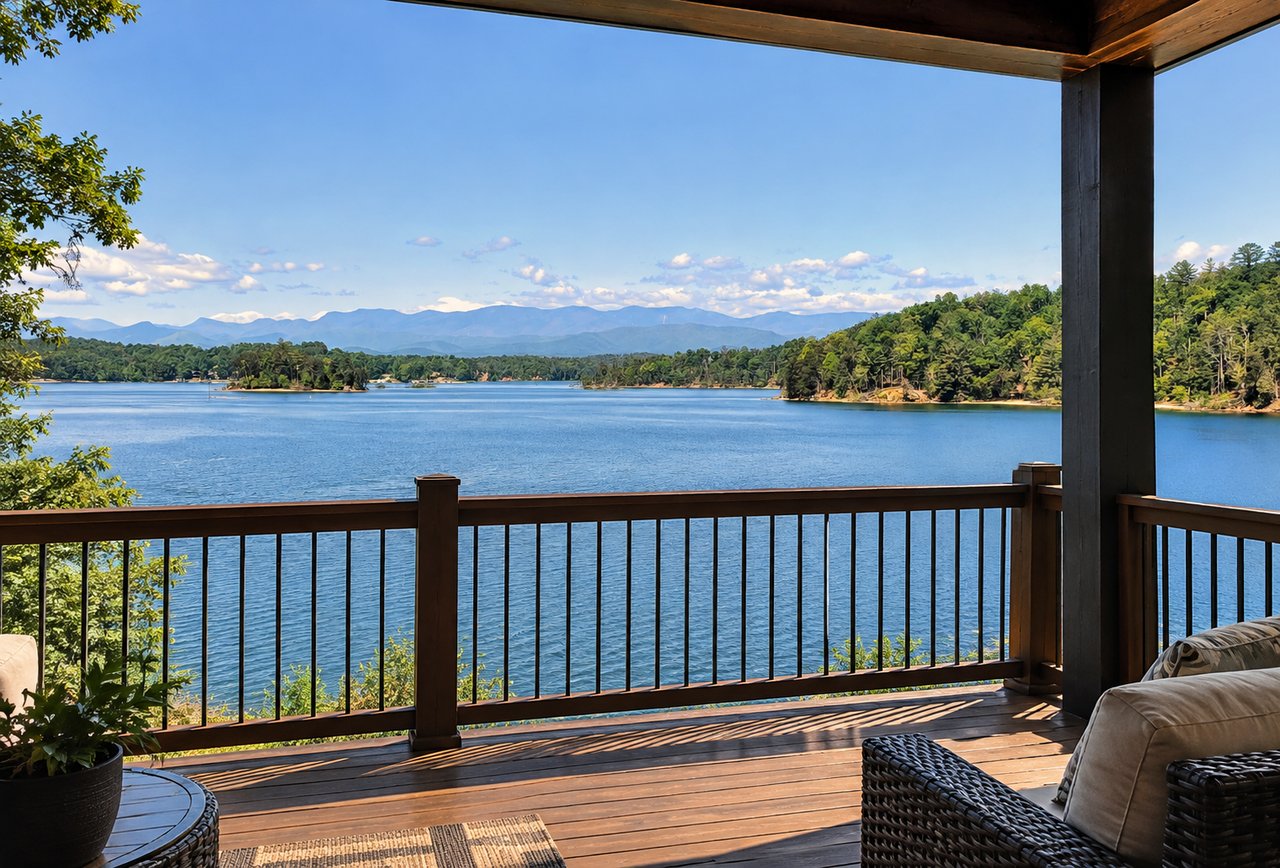
Mountain homes often bring more space
If square footage matters, single-family homes usually give you more room to spread out. Current Asheville-area house snapshots show 3-bedroom homes around 1,120 square feet at $225,000, others in the 1,346 to 2,302 square foot range at roughly $395,000 to $648,000, and larger homes approaching 3,000 square feet around $960,000. A separate listing example shows a 4,332 square foot home at $1.125 million.
That wider range is typical of the mountain-home market. You are more likely to see bigger price swings, larger lots, and greater variation in layout, privacy, and setting. For some buyers, that flexibility is exactly the appeal.
Mountain settings usually mean more privacy
Buncombe County includes Asheville, but also communities such as Black Mountain, Montreat, Weaverville, Woodfin, Arden, Fairview, Leicester, Candler, and Swannanoa. Homes in these areas often sit farther from the city core. In practical terms, that can mean more driving, but also a quieter setting and a better chance at wooded surroundings or a larger parcel.
If you want your home to feel like part of the mountain experience, not just a place to sleep, this can be a strong reason to lean toward a house. More outdoor space and more distance from dense development often create a very different daily rhythm.
Mountain homes come with more upkeep and travel complexity
The same setting that creates views and privacy can also add challenges. Buncombe County officials point to steep slopes, narrow valleys, and risks tied to flooding and landslides. North Carolina mountain-driving guidance also warns about winding roads, lower visibility at night, debris, wildlife, and unpredictable cell service in more remote areas.
That does not mean a mountain home is the wrong choice. It does mean you should think honestly about your comfort with weather sensitivity, road conditions, and routine upkeep. Compared with an in-town condo, a mountain house often asks more from you in exchange for scenery and space.
Outdoor access can tip the scale
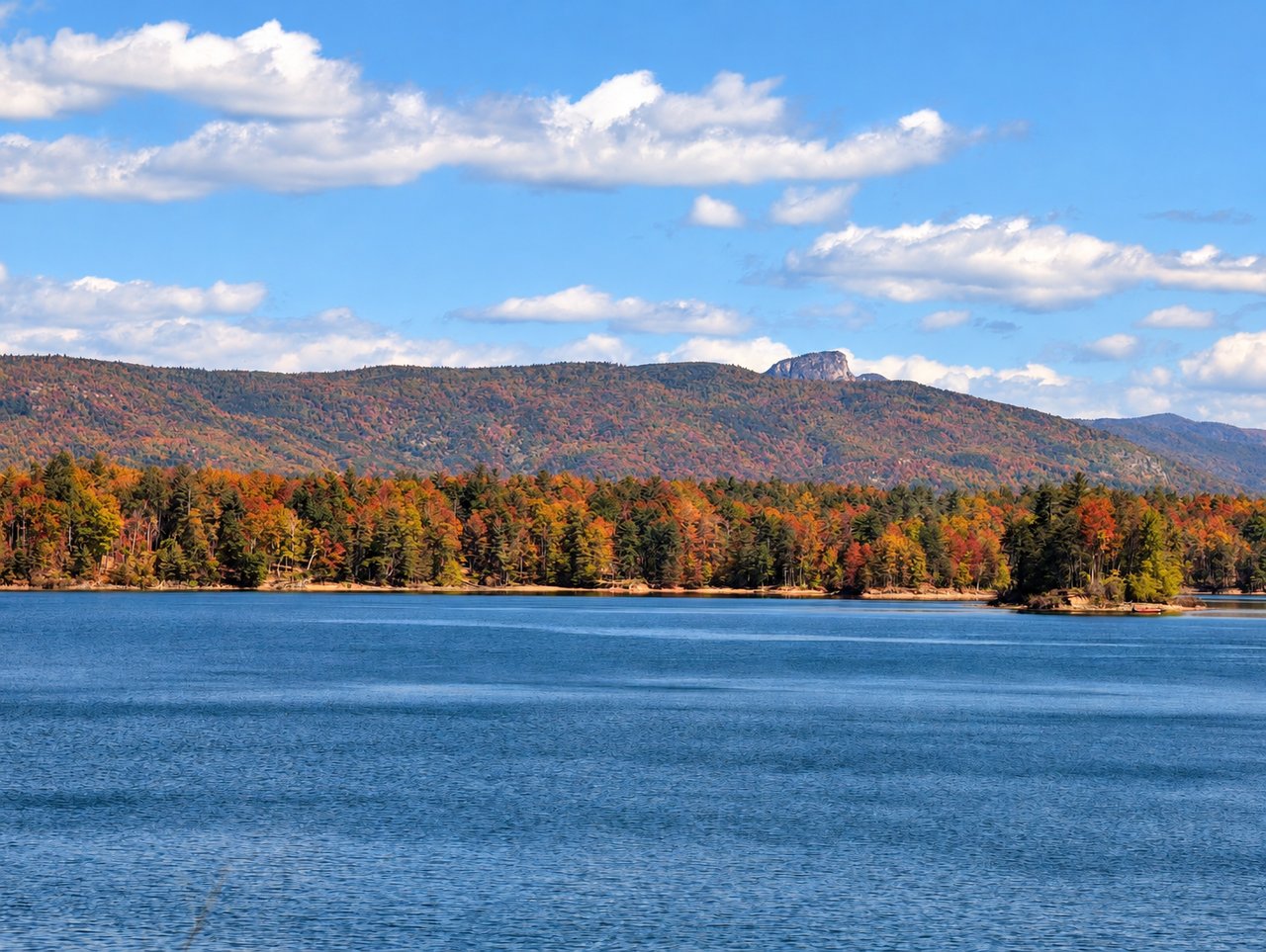
For many buyers, lifestyle is the deciding factor. Buncombe County highlights the Blue Ridge Parkway, Pisgah National Forest, and the French Broad River as major local attractions. The Blue Ridge Parkway alone includes 469 miles of scenic driving and 300 miles of trails.
If you picture weekends built around trailheads, ridgeline drives, and a more immersive mountain setting, a house outside the city core may line up better with that vision. If you prefer quick access to downtown plus easier strolls or bike rides on greenways, a condo may fit more naturally.
Condos vs mountain homes at a glance
Factor | Asheville Condo | Asheville Mountain Home |
|---|---|---|
Daily lifestyle | More in-town convenience | More space and privacy |
Maintenance | Less exterior upkeep for you | More direct upkeep responsibility |
Monthly costs | Mortgage plus possible condo dues | Mortgage plus property upkeep costs |
Access | Better for downtown and some greenways | Better for wooded settings and mountain access |
Travel | Usually simpler day-to-day driving | Often longer or less predictable drives |
Ownership structure | Shared rules and association oversight | More control over your property |
How to decide which fits you best
Choose a condo if you value simplicity
A condo may be the better fit if you want a smaller footprint, lower exterior maintenance, and easier access to downtown Asheville. It can also make sense if you travel often or want a lock-and-leave setup. The tradeoff is being comfortable with dues, shared rules, and less direct control over common areas.
Choose a mountain home if you value space
A mountain or single-family home may be the better fit if you want more square footage, more privacy, and more control over your property. It is often the stronger choice if the home itself is part of the lifestyle you are buying into. You should also be ready for more upkeep and a less predictable drive depending on the location.
Ask yourself a few honest questions
If you are stuck between the two, start with your routine. Ask yourself:
- Do you want to walk or drive to more of your everyday destinations?
- How much home maintenance do you want to handle?
- Do you want more interior space or more location convenience?
- Are you comfortable with mountain roads and weather-related disruptions?
- Do you prefer building amenities and shared management, or more independence?
In Asheville, this choice often comes down to convenience and maintenance simplicity versus space and mountain access. Neither option is better across the board. The right one is the one that fits how you actually want to live.
If you are comparing Asheville properties and want a practical, local perspective on what fits your goals, Mark Causby is here to help you sort through the options and make a confident move.
FAQs
What is the main benefit of buying a condo in Asheville?
- The main benefit of an Asheville condo is usually easier access to downtown living with less exterior maintenance, especially if the unit is truly in-town.
What is the main benefit of buying a mountain home in Buncombe County?
- The main benefit of a mountain home in Buncombe County is usually more space, more privacy, and closer day-to-day connection to wooded or mountain settings.
Are Asheville condos always cheaper than houses?
- Not always. Condo prices and house prices both span a wide range, so the better value depends on location, size, condition, and ownership costs such as dues or maintenance.
What extra costs should you check before buying an Asheville condo?
- You should review condo dues, association finances, reserve health, and any rules that could affect how you use the property.
What should you consider before buying a mountain home near Asheville?
- You should consider road access, weather exposure, upkeep needs, drive times, and your comfort with winding mountain travel and variable conditions.